 Pin This
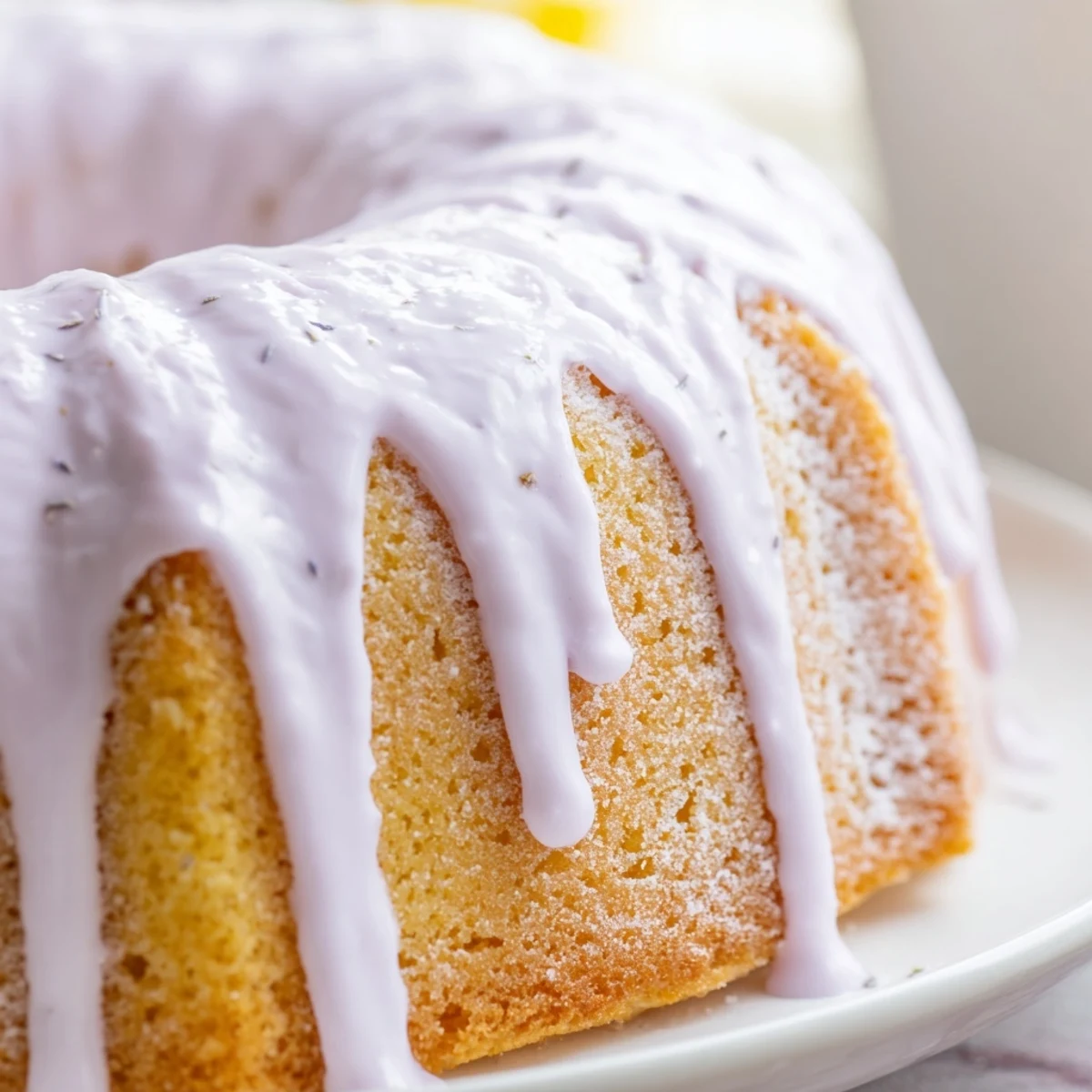
 This fragrant glaze combines dried culinary lavender with whole milk to create a delicate floral infusion, then blends it with powdered sugar for a smooth, pourable topping. The gentle steeping process extracts subtle lavender essence without overwhelming sweetness, while optional lemon juice adds brightness. Perfectly suited for pound cakes, sugar cookies, and scones, this French-inspired glaze sets beautifully within minutes and offers vegetarian, gluten-free serving options.
The first time I made lavender glaze, I was trying to rescue a slightly overbaked lemon pound cake that needed something magical to bring it back to life. The scent of warm lavender infusing into milk filled my tiny apartment kitchen like I'd stepped inside a French patisserie, and suddenly that humble cake became something special. Now I keep dried lavender in my pantry just for moments when baked goods need that little extra whisper of elegance.
Last spring, I drizzled this over warm scones for a mothers day brunch, and my mom actually stopped mid conversation to ask what made them taste so dreamy. Watching guests crane their necks to see what created such a lovely purple tinged glaze has become one of my favorite kitchen moments. Something about floral glazes makes people feel like theyre being treated to something extra special.
Ingredients
- Dried culinary lavender: Only use lavender marked specifically for cooking, as ornamental varieties can have unpleasant flavors or textures
- Whole milk: The fat content helps carry the lavender flavor beautifully, though any milk works in a pinch
- Powdered sugar: Creates that silky smooth texture that liquid sweeteners just cant achieve
- Lemon juice: Just a tiny cut of acidity keeps the floral notes from becoming too perfumed
Instructions
- Infuse the milk:
- Gently heat your milk with lavender until you see the first wisp of steam, then let it steep until fragrant
- Strain and cool:
- Press the lavender through a fine mesh strainer to extract every drop of flavor, then let it cool slightly so it doesnt melt your sugar
- Whisk the glaze:
- Start with less infused milk than you think you need, whisking until you have a glossy pourable consistency that coats the back of a spoon
- Adjust and drizzle:
- Add more milk or sugar until it flows like warm honey, then pour generously over whatever deserves a little flower magic
 Pin This
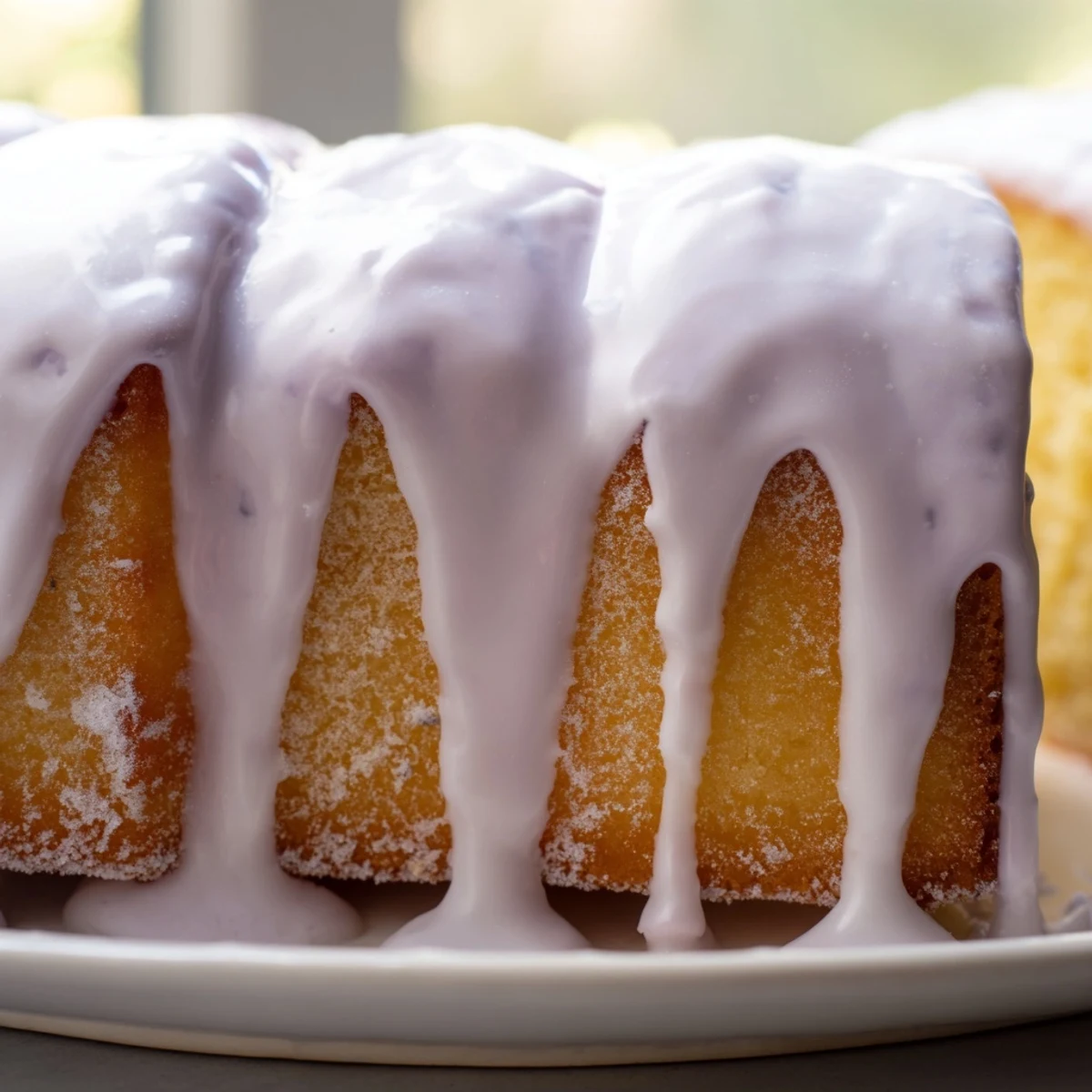
 My friend Sarah asked for the recipe after tasting it on vanilla cupcakes at a summer potluck, and now she makes a batch every time she needs to bring something to book club. Theres something about serving food with a floral glaze that makes people slow down and savor each bite more thoughtfully.
Getting The Right Flow
Ive learned that temperature matters more than you might expect. Room temperature glazes pour beautifully while cold ones can seize up and look uneven on your baked goods.
Flavor Variations
Sometimes I swap the lemon juice for vanilla extract when I want something creamier and less bright. A pinch of cinnamon in the milk while it steeps creates this cozy spiced floral version that works wonders on autumn treats.
Make Ahead Wisdom
You can infuse the milk up to two days in advance and store it in the refrigerator. Let it come to room temperature before whisking in the sugar for the smoothest results.
- Store leftover glaze in an airtight container for up to one week
- Reheat gently in the microwave for 10 seconds if it thickens too much
- Whisk briefly before using to restore the glossy finish
 Pin This
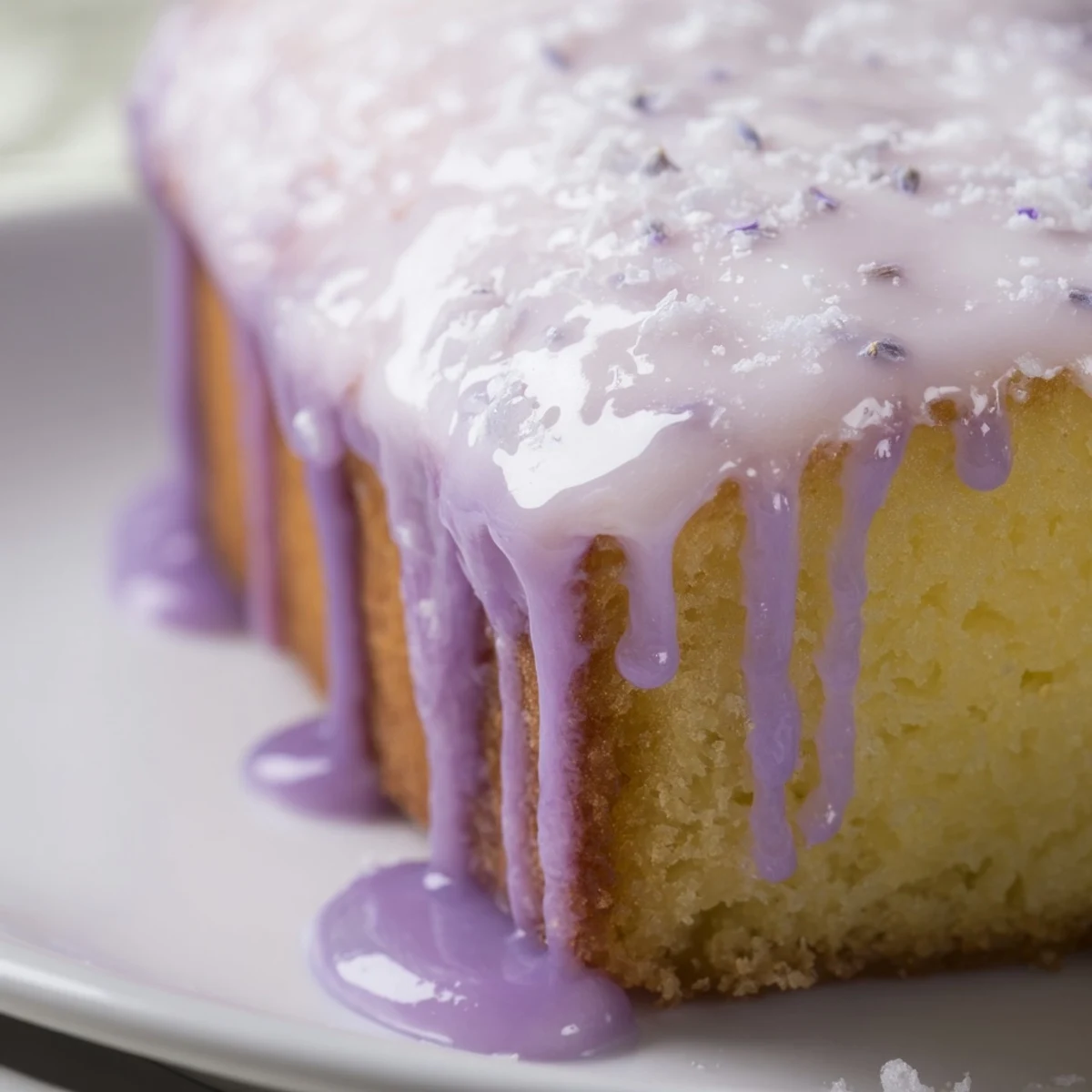
 Something about drizzling this glaze feels like adding a little bit of garden magic to your baking. May your kitchen always smell like flowers and your baked goods always taste like a tiny bit of heaven.
Recipe FAQs
- → What does lavender glaze taste like?
-
The glaze features delicate floral notes with a subtle sweetness reminiscent of Provence. The lavender provides a gentle perfume rather than an overpowering flavor, while the powdered sugar creates a smooth, creamy sweetness that balances the herbal essence.
- → Can I use fresh lavender instead of dried?
-
Fresh lavender can be used, but dried culinary lavender is preferred for consistent flavor intensity. If using fresh, increase the amount to about 3 tablespoons since fresh herbs contain more water and less concentrated essential oils than dried versions.
- → How long does the glaze take to set?
-
Once drizzled over cooled baked goods, allow at least 10 minutes for the glaze to set completely. The setting time may vary slightly depending on humidity levels and the thickness of your application—thinner layers will set faster than generous drizzles.
- → What baked goods pair best with this glaze?
-
This versatile topping complements pound cakes, bundt cakes, sugar cookies, and scones exceptionally well. The floral notes also enhance lemon-flavored baked goods and vanilla-based treats. Avoid using with strongly spiced items like gingerbread, as the competing flavors may clash.
- → How should I store leftover glaze?
-
Store any remaining glaze in an airtight container at room temperature for up to 2 days. If refrigerated, the glaze will harden—simply whisk in a few drops of warm milk to restore the desired consistency before using again.
- → Is this glaze suitable for special diets?
-
The base version is vegetarian and gluten-free. For vegan or lactose-free options, substitute the whole milk with almond, oat, or coconut milk. Always verify that your powdered sugar is certified gluten-free, as some brands use anti-caking agents containing wheat derivatives.