
 Pin This
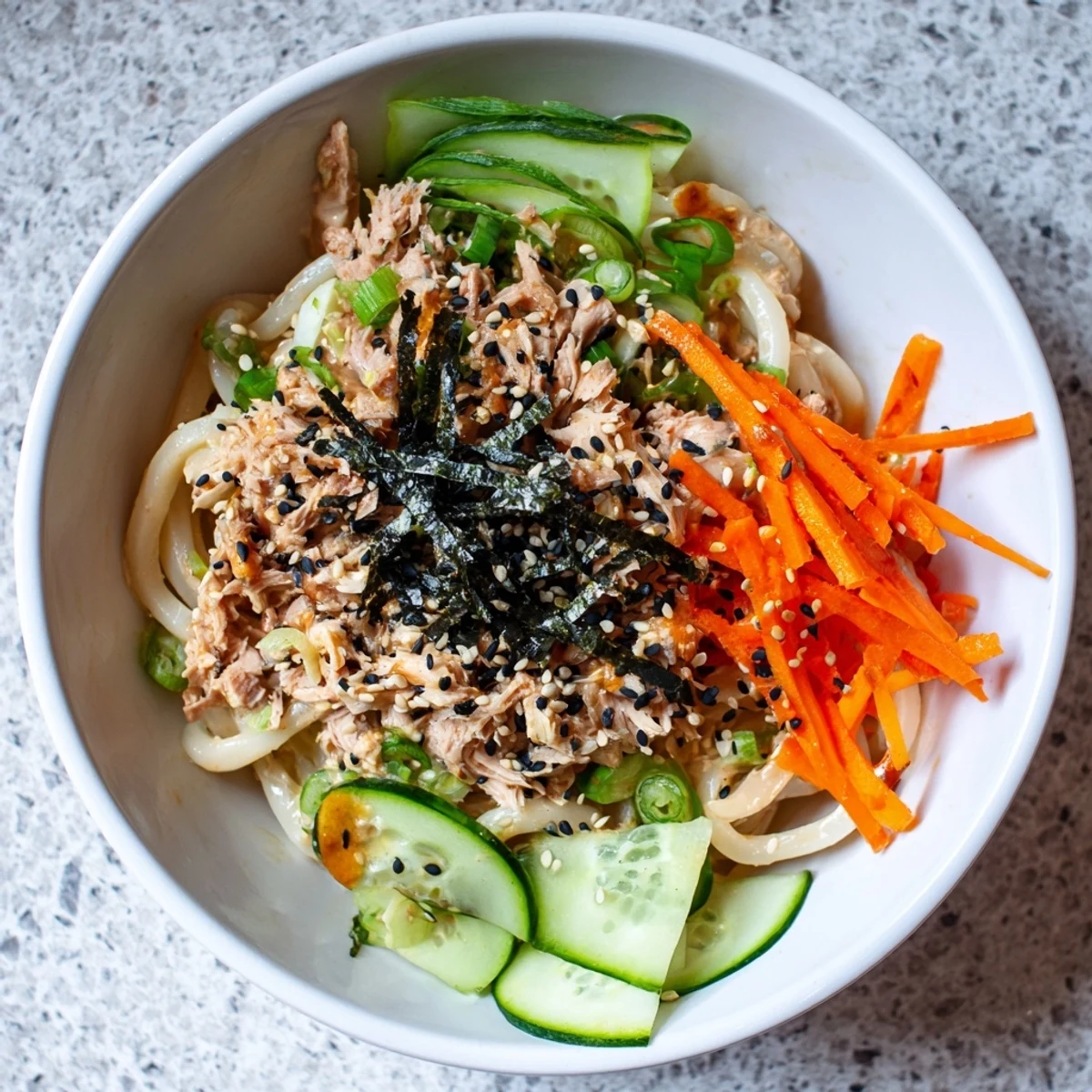
 This vibrant Japanese-inspired dish combines thick chewy udon noodles with a creamy spicy tuna sauce. The preparation comes together in just 25 minutes, making it perfect for quick weeknight meals. Fresh julienned carrots and crisp cucumber add refreshing crunch, while spring onions and pickled ginger provide aromatic brightness. The signature sauce blends mayonnaise, Sriracha, soy sauce, and sesame oil for that irresistible umami-rich heat. Finished with toasted sesame seeds and nori, these bowls deliver restaurant-quality flavors with minimal effort. Serve chilled or at room temperature for the most satisfying experience.
The exhaust fan above my stove was no match for the Sriracha cloud that filled my tiny apartment kitchen one humid August evening, and honestly I was too hungry to care. I had stumbled home late with nothing but a can of tuna, some udon noodles from the back of the freezer, and a stubborn craving for the spicy tuna bowls from a Japanese deli I used to visit on lunch breaks. Twenty five minutes later I was sitting on the kitchen floor with the bowl in my lap, wondering why I ever bothered with takeout. This dish has been in my weekly rotation ever since.
I made this for my neighbor Dave once when he helped me carry a bookshelf up three flights of stairs. He stood in the doorway eating straight from the mixing bowl, chopsticks in one hand and his phone in the other, already texting his wife the recipe. Now he texts me every time he makes it, usually with a photo and a comment about how he added too much Sriracha again.
Ingredients
- Udon noodles (200 g fresh or frozen): Fresh udon have that irresistible chew, but frozen works beautifully and keeps forever for impromptu meals.
- Canned tuna in water, drained (120 g): Water packed tuna keeps the sauce from getting greasy, and draining it well is the key to getting the flavors to really stick.
- Carrot, julienned (1/2 cup): That bright orange crunch breaks up the richness of the sauce and adds a sweetness you barely notice but would absolutely miss.
- Cucumber, thinly sliced (1/2 cup): Cool and crisp against the heat, cucumber is the quiet hero of this bowl.
- Spring onions, sliced (2): Raw spring onions give a sharp little bite that wakes everything up.
- Pickled ginger, finely chopped (1 tablespoon, optional): A spoonful of this adds a tangy zing that ties the whole dish to its Japanese roots.
- Japanese Kewpie mayonnaise (2 tablespoons): Kewpie is richer and tangier than regular mayo, and it makes the sauce impossibly creamy.
- Sriracha (1 tablespoon, adjust to taste): This is your heat dial, so start modest and taste as you go because it builds fast.
- Soy sauce (1 tablespoon): The salty umami backbone that brings depth to every component.
- Sesame oil (1 teaspoon): Just a drizzle fills the kitchen with that nutty, toasted aroma that signals something delicious is happening.
- Rice vinegar (1 teaspoon): A splash of acidity that brightens the whole sauce and keeps it from feeling heavy.
- Sugar (1/2 teaspoon): A tiny amount rounds out the heat and salt without making anything sweet.
- Toasted sesame seeds (1 tablespoon): Sprinkled on top for a finishing crunch and that classic Japanese sesame flavor.
- Nori sheet, torn into pieces (1): Torn nori scattered over the bowl adds a briny crispness that makes it feel like it came from a restaurant.
- Fresh chili slices (optional): For those who want to push the heat even further, a few thin slices across the top look gorgeous and deliver a sharp kick.
Instructions
- Cook and cool the noodles:
- Drop the udon into a pot of boiling water and cook just until they separate and turn tender, usually one to two minutes for fresh or three to four for frozen. Drain them and rinse under cold running water until completely cool, shaking off the excess so the sauce can cling properly.
- Build the spicy tuna sauce:
- In a mixing bowl, combine the drained tuna, mayonnaise, Sriracha, soy sauce, sesame oil, rice vinegar, and sugar. Stir everything together thoroughly, mashing the tuna slightly so it breaks into fine flakes that absorb the sauce evenly.
- Fold in the vegetables:
- Add the julienned carrot, sliced cucumber, spring onions, and pickled ginger to the tuna mixture. Toss gently so the vegetables get coated without turning everything into mush.
- Combine with noodles:
- Add the cooled udon to the bowl and toss with your tongs or hands until every strand is slicked with that spicy, creamy sauce. Taste a noodle right now and adjust the Sriracha or soy sauce if it needs more punch.
- Plate and garnish:
- Divide between two bowls and shower each with toasted sesame seeds, torn pieces of nori, and fresh chili slices if you are feeling brave. Serve immediately while the noodles are still cool and the garnishes are crisp.
 Pin This
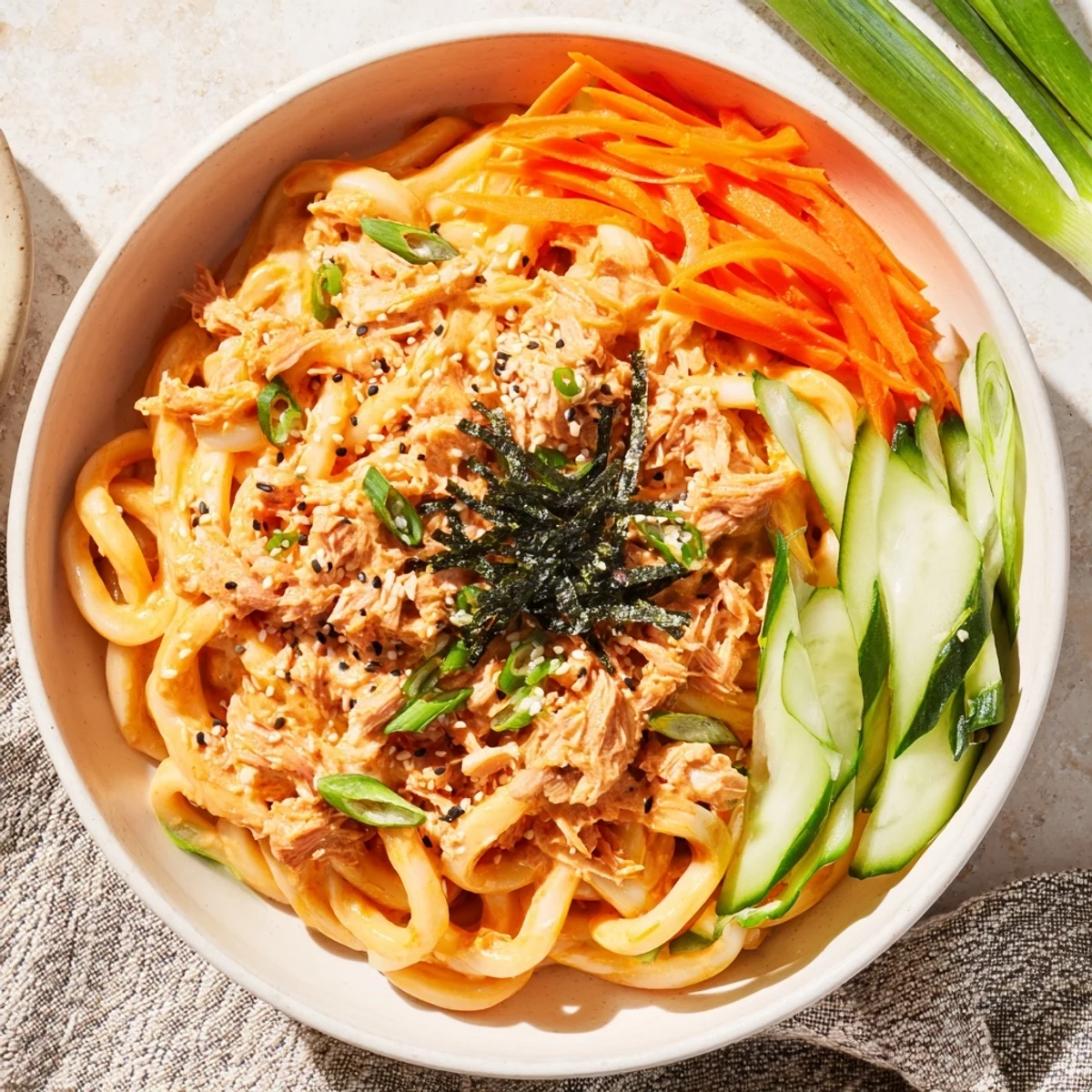
 There is something about a cold noodle bowl that turns a regular Tuesday into a small event, especially when the sauce is this good and the garnishes make it look like you tried much harder than you did.
Making It Your Own
This recipe is more of a framework than a rulebook, and I have never made it exactly the same way twice. Try adding shredded cabbage, edamame, or thin slices of avocado when you want to bulk it out. A soft boiled egg with a jammy yolk perched on top turns it into something truly special.
What to Drink Alongside
A chilled, dry sake cuts right through the richness and heat without competing with the flavors. If sake is not your thing, a crisp lager or even a glass of cold unsweetened green tea works beautifully to refresh your palate between bites.
When Time Is Not On Your Side
Keep a bag of frozen udon and a few cans of tuna in the pantry and this meal is always fifteen minutes away from your fork. The sauce comes together while the noodles cook, so there is almost no waiting. It is the closest thing I have to a magic trick for weeknight dinners.
- Sriracha, soy sauce, and sesame oil are the only three condiments you really need, so do not stress over missing the rice vinegar.
- Frozen udon actually holds its texture better than fresh when you are making cold noodle dishes.
- Always taste the sauce before mixing it with the noodles because fixing the seasoning afterward is much harder.
 Pin This
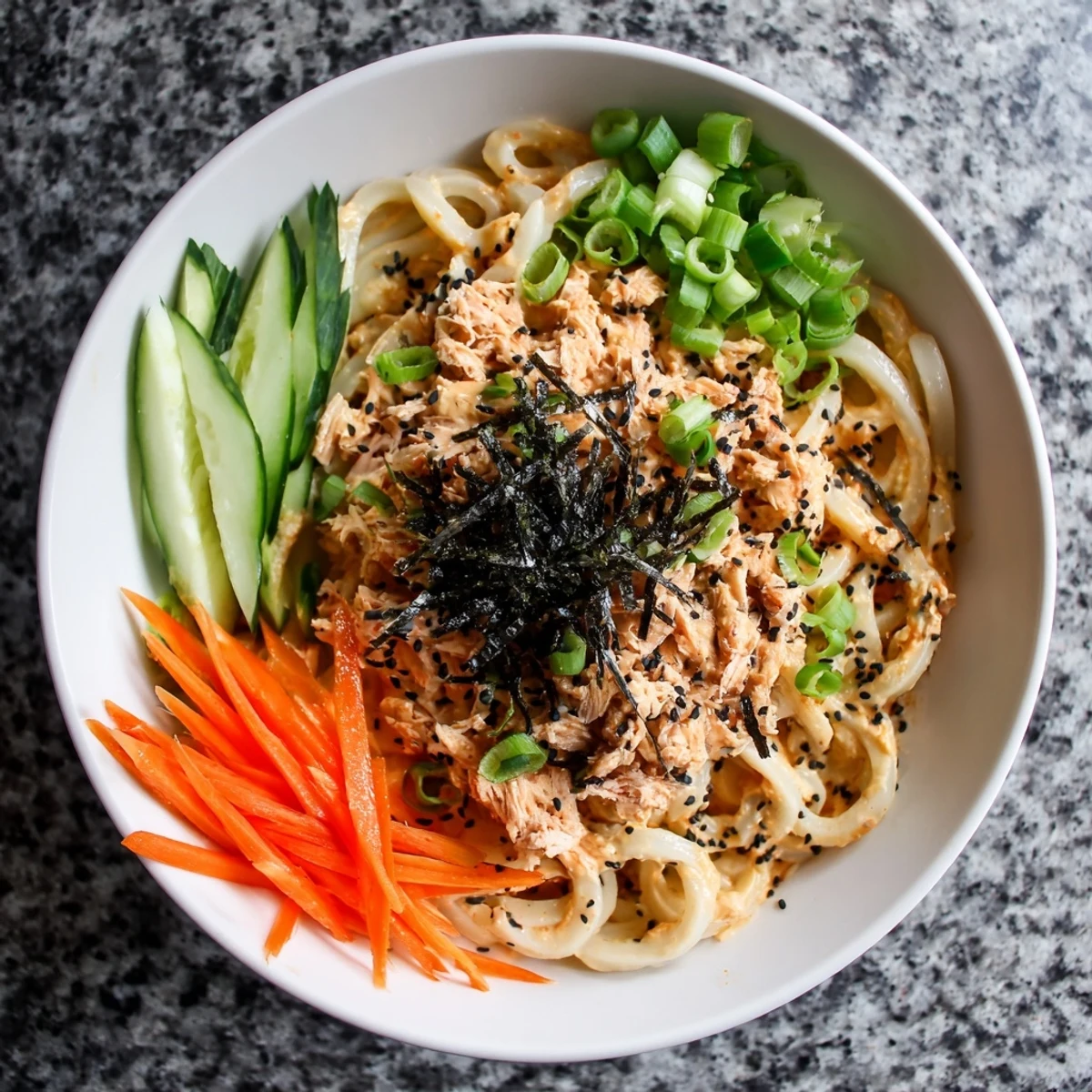
 Some dishes earn their place in your kitchen through complexity, but this one earns it through sheer reliability and the way it always hits the spot no matter the season.
Recipe FAQs
- → Can I use fresh tuna instead of canned?
-
Absolutely. Grill, pan-sear, or poach fresh tuna until cooked through, then flake into pieces. Fresh tuna adds a meatier texture and cleaner flavor profile to the dish.
- → What makes this dish Japanese-style?
-
The combination of udon noodles, sesame oil, rice vinegar, nori, pickled ginger, and the balance of savory soy sauce with creamy mayonnaise creates authentic Japanese flavor profiles.
- → How can I adjust the spice level?
-
Start with less Sriracha and taste as you go. You can also add chili oil for depth without overwhelming heat, or include fresh chili slices as a garnish for extra kick.
- → Can I make this dish ahead of time?
-
Yes, prepare the components separately and store in the refrigerator. Toss everything together just before serving to maintain the noodles' texture and prevent sogginess.
- → What other vegetables work well in this dish?
-
Shredded cabbage, bell peppers, snow peas, bean sprouts, or thinly sliced radishes all complement the spicy tuna flavors beautifully while adding crunch and color.
- → Is there a mayonnaise substitute?
-
Greek yogurt offers a lighter tangy alternative. For vegan options, use plant-based mayo or a blend of silken tofu with a splash of lemon juice and rice vinegar.