
 Pin This
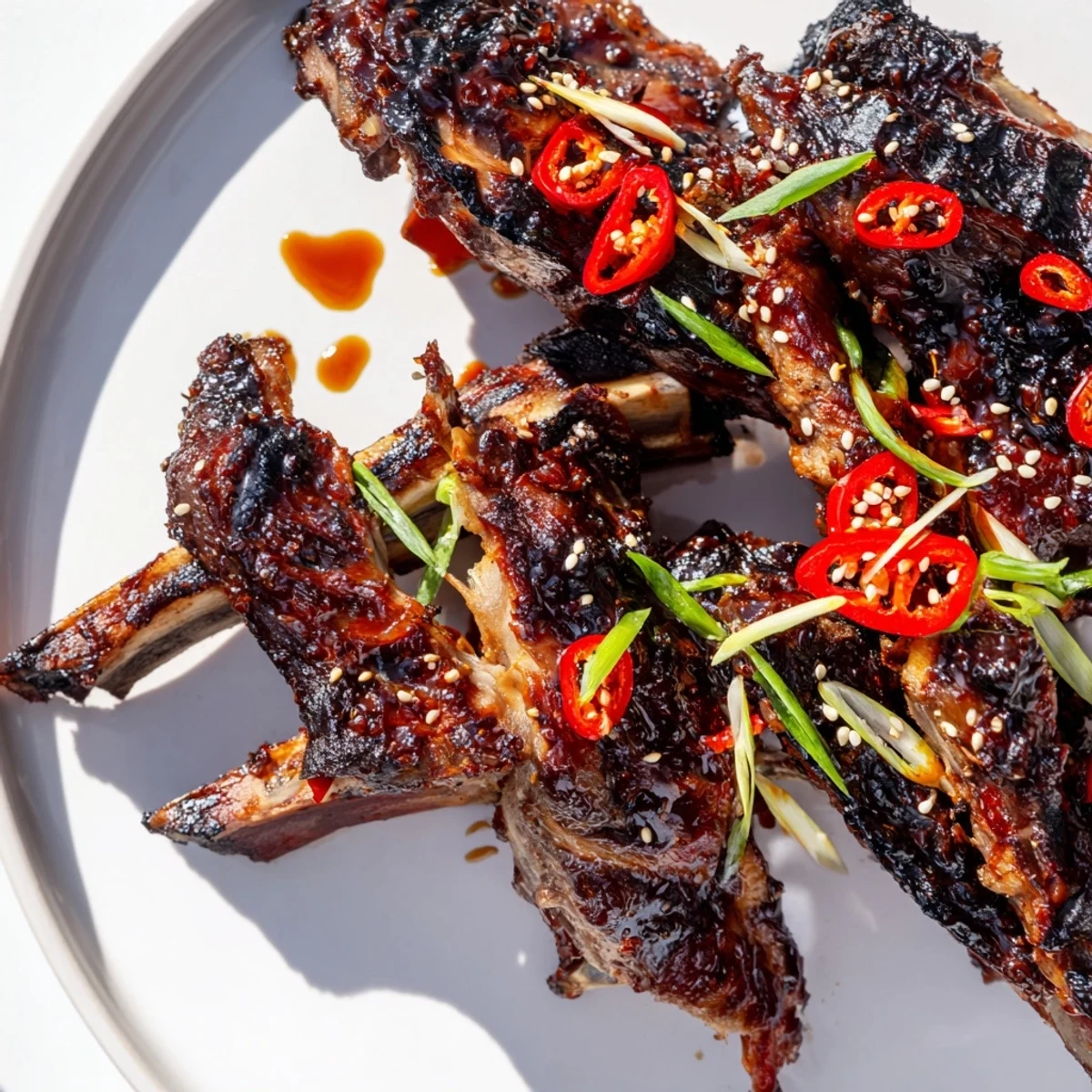
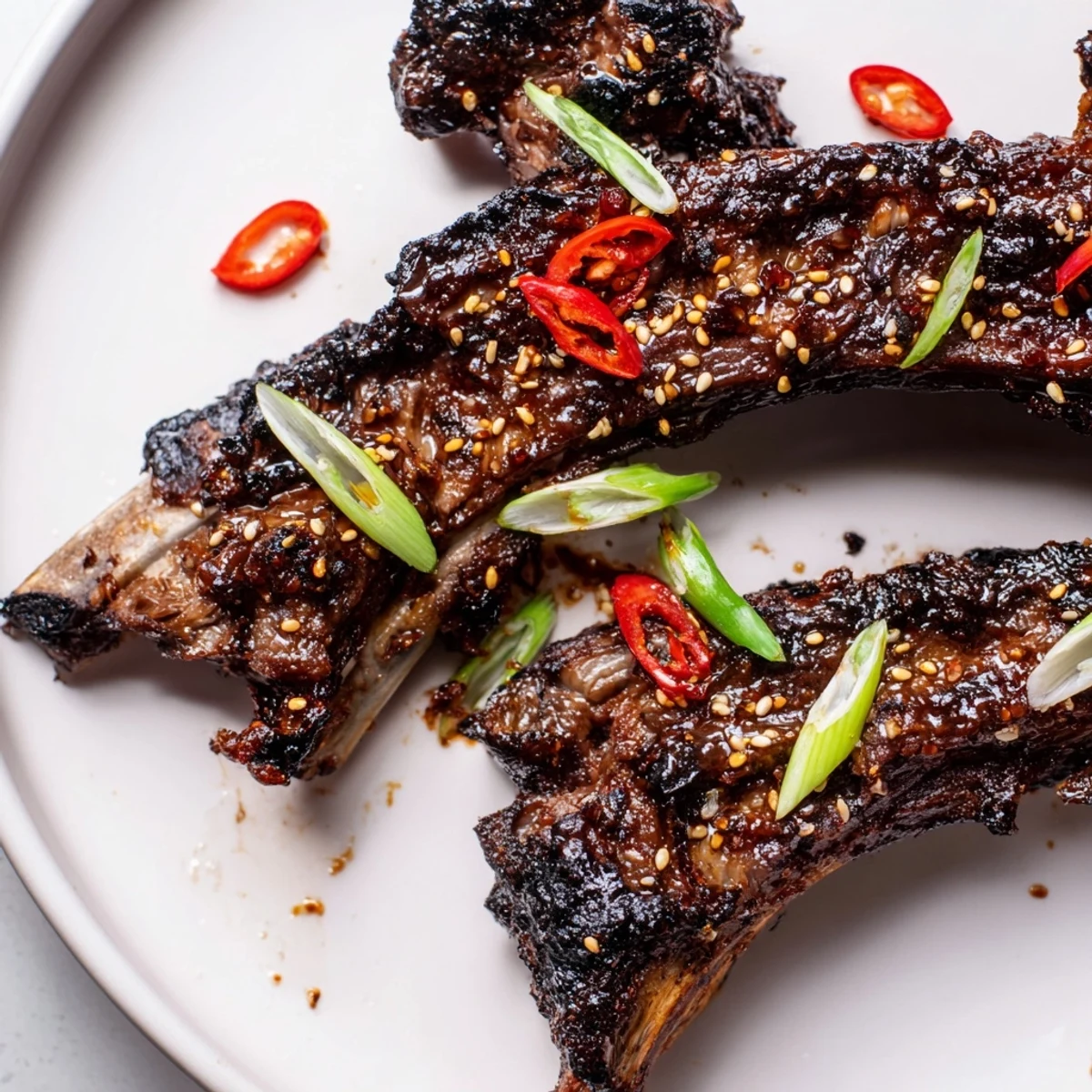
 These Korean BBQ lamb ribs are marinated overnight in a rich blend of gochujang, soy sauce, garlic, ginger, and sesame oil, then slow-roasted until fall-off-the-bone tender. A honey-glaze caramelizes under high heat, creating irresistible sticky, charred edges. Finished with a generous squeeze of fresh yuzu juice, the bright citrus cuts through the savory-sweet glaze beautifully. Garnished with scallions, sesame seeds, and sliced chili, this dish brings bold Korean fusion flavors straight to your table.
Something magical happens when Korean barbecue meets lamb ribs, and it involves a bottle of gochujang that had been sitting in my fridge door for longer than I care to admit. The fermented chili paste clung to the meat like it belonged there, transforming an ordinary Tuesday into a full blown feast. A squeeze of yuzu at the end sealed the deal, its floral acidity cutting through the richness in a way that made everyone at the table go quiet. That silence, punctuated only by the sound of bones being set down, told me everything I needed to know.
I cooked these ribs for my neighbor Suna, who grew up in Daegu and has strong opinions about Korean cooking. She hovered near the oven the entire time, arms crossed, smelling the air with theatrical suspicion. When she finally bit into one, she looked at me, looked back at the rib, and said nothing for a long, wonderful moment. Then she asked for seconds, and I knew I had done something right.
Ingredients
- Lamb ribs (1.5 kg, trimmed): Ask your butcher to trim them if possible, because excess fat will cause flare-ups and mask the marinade. You want the meat exposed and ready to soak up every bit of flavor.
- Gochujang (3 tbsp): This fermented Korean chili paste is the backbone of the dish, offering deep umami heat rather than a sharp burn. Use a reputable brand and always check the label if you need gluten-free.
- Soy sauce (4 tbsp): Provides salt and savory depth that anchors the sweetness of the brown sugar and honey. Tamari works beautifully if you are keeping things gluten-free.
- Brown sugar (2 tbsp): Helps the marinade caramelize under high heat, creating those gorgeous sticky edges. Dark brown sugar gives a deeper molasses note if you have it.
- Sesame oil (1 tbsp): Toasted sesame oil adds a nutty warmth that rounds out the chili paste beautifully. A little goes a long way, so measure carefully.
- Garlic, minced (4 cloves): Fresh garlic is non-negotiable here, as the pre-minced jar variety lacks the sharp punch this marinade demands. Smash them first, then mince for the most even texture.
- Fresh ginger, grated (2 tsp): Ginger brings a warm spice that bridges the gap between the Korean chili and the lamb's natural gaminess. Use a microplane for the finest grate.
- Rice vinegar (1 tbsp): A mild acidity that tenderizes the meat while keeping the overall flavor balanced. Do not substitute with distilled white vinegar, which is far too harsh.
- Mirin (2 tbsp, optional): Adds a gentle sweetness and glossy sheen to the finished glaze. If skipping, add an extra teaspoon of brown sugar to compensate.
- Black pepper (1 tsp): Freshly ground is essential, as pre-ground pepper tastes flat against the bold Korean flavors. Crack it coarsely for a bit of texture in the marinade.
- Honey (2 tbsp): Mixed into the reserved marinade to create the final glaze that lacquers the ribs in the last minutes of cooking. Use a mild honey so it does not compete with the gochujang.
- Yuzu juice (2 tbsp): This Japanese citrus has a haunting floral aroma that ordinary lemons cannot replicate, though lemon will work in a pinch. Find it bottled at Asian grocery stores.
- Toasted sesame seeds (1 tbsp): A sprinkle at the end adds crunch and visual appeal. Toast them yourself in a dry pan for the freshest flavor.
- Scallions, thinly sliced (2): Their mild onion bite cuts through the richness and adds a fresh green contrast to the glossy ribs. Slice them on a sharp diagonal for the prettiest presentation.
- Red chili, sliced (1 small, optional): For those who want an extra kick of heat and a pop of color on the plate. Remove the seeds if you prefer warmth without fire.
Instructions
- Build the marinade:
- In a large bowl, whisk together the gochujang, soy sauce, brown sugar, sesame oil, garlic, ginger, rice vinegar, mirin, and black pepper until completely smooth. Taste it briefly on your fingertip and you will immediately understand why this dish works so well.
- Coat and rest the ribs:
- Place the trimmed lamb ribs in a large resealable bag or shallow dish, then pour the marinade over them, massaging it into every surface. Refrigerate for at least 4 hours, though overnight transforms the flavor into something genuinely extraordinary.
- Set up for roasting:
- Preheat your oven to 160 degrees Celsius (320 degrees Fahrenheit) and arrange the ribs on a wire rack set over a baking sheet. Tent them loosely with foil, reserving any leftover marinade in a small bowl for the glaze.
- Slow roast to tenderness:
- Roast the covered ribs for one full hour, during which your kitchen will fill with an aroma that draws people in like a magnet. Meanwhile, combine the reserved marinade with the honey in a small saucepan and simmer gently for five minutes until it thickens into a glossy glaze.
- Caramelize and char:
- Crank the oven up to 200 degrees Celsius (400 degrees Fahrenheit), remove the foil, and brush the ribs generously with the honey glaze. Roast uncovered for 10 to 15 minutes until the edges caramelize and take on a beautiful, sticky char.
- The yuzu finish:
- Rest the ribs for five minutes after removing them from the oven, then squeeze yuzu juice liberally over the top. The citrus hits the hot, sticky surface and creates an aromatic cloud that is almost as good as eating the ribs themselves.
- Garnish and serve:
- Scatter the sliced scallions, sesame seeds, and red chili over the ribs right before bringing them to the table. Serve immediately with steamed rice and pickled vegetables for a complete meal that disappears faster than you expect.
 Pin This
 The best meals I have ever made were never the ones I planned for hours. They were the ones where I trusted a wild combination, listened to the sizzle, and fed people who were genuinely hungry. These ribs belong firmly in that category.
Getting the Right Char
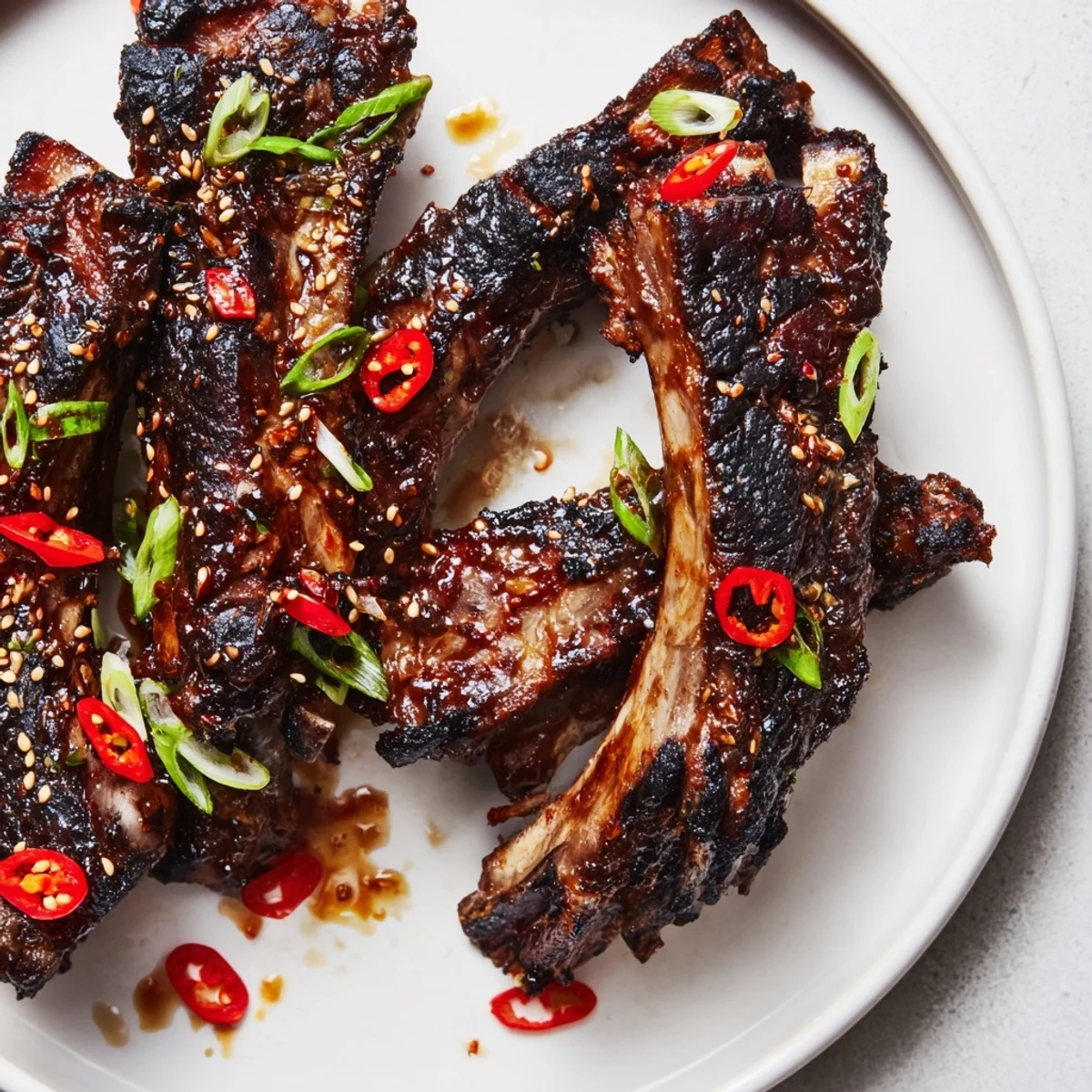
If you have access to an outdoor grill, finishing these ribs over direct high heat for two or three minutes per side changes everything. The flames lick the sugary glaze and create blackened blisters that add a smoky depth the oven alone cannot replicate. I learned this by accident one summer evening when my oven broke mid-recipe, and it turned out to be the best kitchen failure I ever had.
Finding and Using Yuzu
Yuzu juice can be elusive, hiding in small bottles on the bottom shelf of Asian grocery stores, often labeled ponzu or yuzu kosho depending on the region. Real yuzu juice tastes like someone crossed a lemon with a mandarin and then added perfume, which sounds strange until you try it on something rich and sticky. Bottled juice works perfectly fine here, but if you ever find fresh yuzu fruit, grab it without hesitation and use the zest too.
What to Serve Alongside
These ribs demand something simple and starchy to soak up the extra glaze, and steamed white rice does the job without competing for attention. Pickled daikon or quick-pickled cucumbers bring a cool crunch that refreshes the palate between bites of rich, sticky lamb.
- A simple sesame spinach side dish takes five minutes and rounds out the meal beautifully.
- Cold Korean barley tea poured over ice cleanses the palate and keeps the heat from building up too much.
- Always have extra napkins nearby, because eating these ribs politely is nearly impossible.
 Pin This
 Every time I make these ribs, the room gets a little louder, a little happier, and a little more alive. That is the highest compliment any dish can receive.
Recipe FAQs
- → Where can I find yuzu juice?
-
Yuzu juice is available at most Asian specialty markets and Japanese grocery stores. Some well-stocked supermarkets carry it in the international aisle. If unavailable, fresh lemon juice works as a substitute, though the flavor profile will be slightly different — yuzu has a unique floral, tart aroma that lemon can't fully replicate.
- → Can I grill these lamb ribs instead of roasting?
-
Absolutely. For best results, slow-roast the ribs first at 160°C (320°F) for about an hour to ensure tenderness, then finish them on a hot grill for 2–3 minutes per side. This gives you that smoky char and caramelized exterior while keeping the meat juicy inside.
- → How long should I marinate the lamb ribs?
-
Minimum marination time is 4 hours, but overnight (8–12 hours) is ideal. The longer the ribs sit in the gochujang marinade, the deeper the flavor penetrates. Keep them covered and refrigerated during the entire marination process.
- → Is this dish gluten-free?
-
It can be. Use gluten-free soy sauce (tamari works well) and verify that your gochujang brand is certified gluten-free, as some contain wheat. Always check packaging labels on all condiments to confirm they meet your dietary needs.
- → What should I serve with Korean BBQ lamb ribs?
-
Steamed white rice is a natural pairing to soak up the sticky glaze. Korean pickled vegetables, a simple cucumber salad, or kimchi provide refreshing contrast. For a fuller spread, consider serving with roasted vegetables or a light sesame spinach side.
- → How do I adjust the spice level?
-
The heat comes primarily from the gochujang. For milder ribs, reduce the amount to 1.5 tablespoons. For more kick, increase to 4–5 tablespoons or add a pinch of gochugaru (Korean red pepper flakes). Taste the marinade before adding the ribs to gauge the heat.