
 Pin This
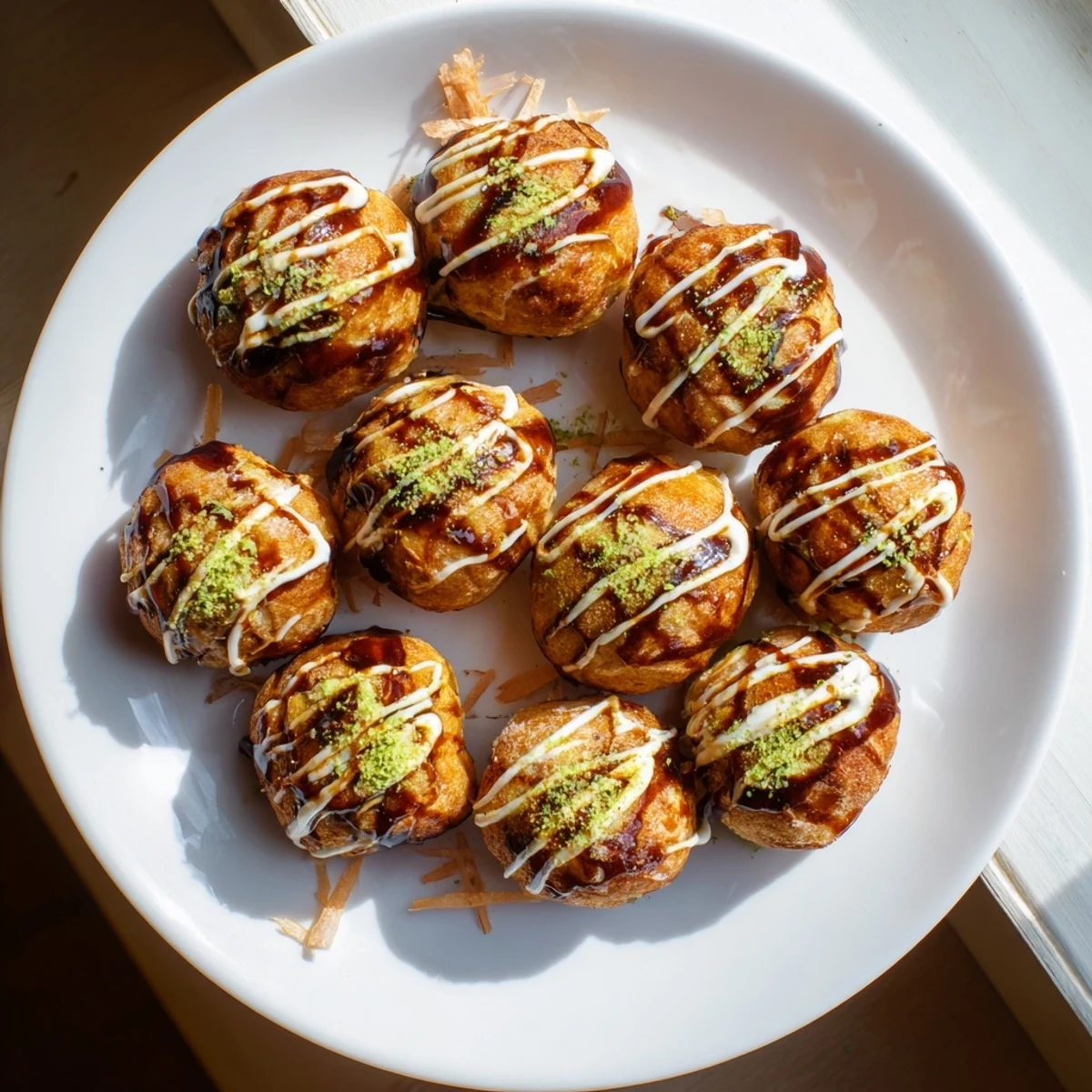
 Create perfect crispy takoyaki with this authentic Japanese street food guide. These beloved sphere-shaped snacks feature a lacy, golden crust encasing a tender, creamy center with chunks of octopus. The traditional dashi-based batter yields the signature fluffy texture, while the classic toppings of sweet-tangy sauce, creamy mayonnaise, smoky bonito flakes, and nutty aonori create an irresistible umami bomb.
While achieving that ideal round shape requires practice and the specialty molded pan, the technique of turning each ball at the right moment ensures even cooking and that sought-after crunch. Best served piping hot straight from the pan, these make impressive appetizers or fun interactive party food.
The first time I attempted takoyaki was during a tiny apartment dinner party where my friend Hiroko brought her grandmother's pan from Osaka. We laughed so hard as half the balls fell apart while trying to turn them with chopsticks, but the ones that survived were absolute magic. Now it's become my go-to comfort food when I want something that feels like a warm hug from the streets of Japan.
Last summer I made these for my niece who had just returned from studying abroad in Osaka. She took one bite and tears actually welled up, saying it tasted exactly like the tiny stall she visited every week near her university. Food memories are powerful like that, bridging continents and bringing people home through something as simple as a golden sphere of batter and octopus.
Ingredients
- All-purpose flour: This creates the structure for your takoyaki. Don't be tempted to use cake flour as it won't hold its shape during all that turning.
- Large eggs: Room temperature eggs blend better into the batter, giving you that smooth, silky consistency that's crucial for the perfect interior.
- Dashi stock: The soul of Japanese cooking. If you can't find dashi, chicken or vegetable stock works in a pinch, but the flavor will be different.
- Salt and soy sauce: These provide the foundational seasoning. The soy sauce adds that beautiful umami depth that makes takoyaki so addictive.
- Baking powder: This little bit of lift helps create that tender, pillow-like texture inside each ball.
- Cooked octopus: The star of the show. Look for pre-cooked octopus at Asian markets or buy frozen and simmer it until tender.
- Pickled red ginger: This provides bright, tangy bursts that cut through the rich batter and toppings.
- Green onion: Fresh onion brings a mild sharpness that balances the savory elements beautifully.
- Tempura scraps: These crispy bits add extra texture and help absorb excess moisture in the batter.
- Takoyaki sauce: A sweet and tangy condiment that's absolutely essential. Okonomiyaki sauce makes a perfect substitute.
- Japanese mayonnaise: Creamier and richer than American mayo, this adds a luxurious finish.
- Aonori: These dried seaweed flakes bring an earthy, oceanic note that ties everything together.
- Bonito flakes: Watching them dance and curl from the heat is half the fun, plus they add incredible smoky flavor.
Instructions
- Prepare the batter:
- Whisk everything together until completely smooth, then let it rest for 15 minutes while you prep your fillings.
- Heat and oil your pan:
- Get it nice and hot over medium heat, then brush each mold with oil using a folded paper towel for even coverage.
- Fill the molds:
- Pour batter into each hole until it's overflowing, then quickly add your octopus pieces while the batter is still loose.
- Add the goodies:
- Sprinkle the ginger, green onion, and tempura scraps into each mold, distributing them evenly.
- The crucial first turn:
- Wait 1 to 2 minutes until you see the edges setting, then use two skewers to turn each ball 90 degrees in one confident motion.
- Keep turning:
- Continue rotating every minute or so, letting the uncooked batter flow out and form that perfect spherical shape.
- Achieve golden perfection:
- Cook until all sides are evenly crisp and golden, about 8 to 10 minutes total. Don't rush this part.
- Plate and garnish:
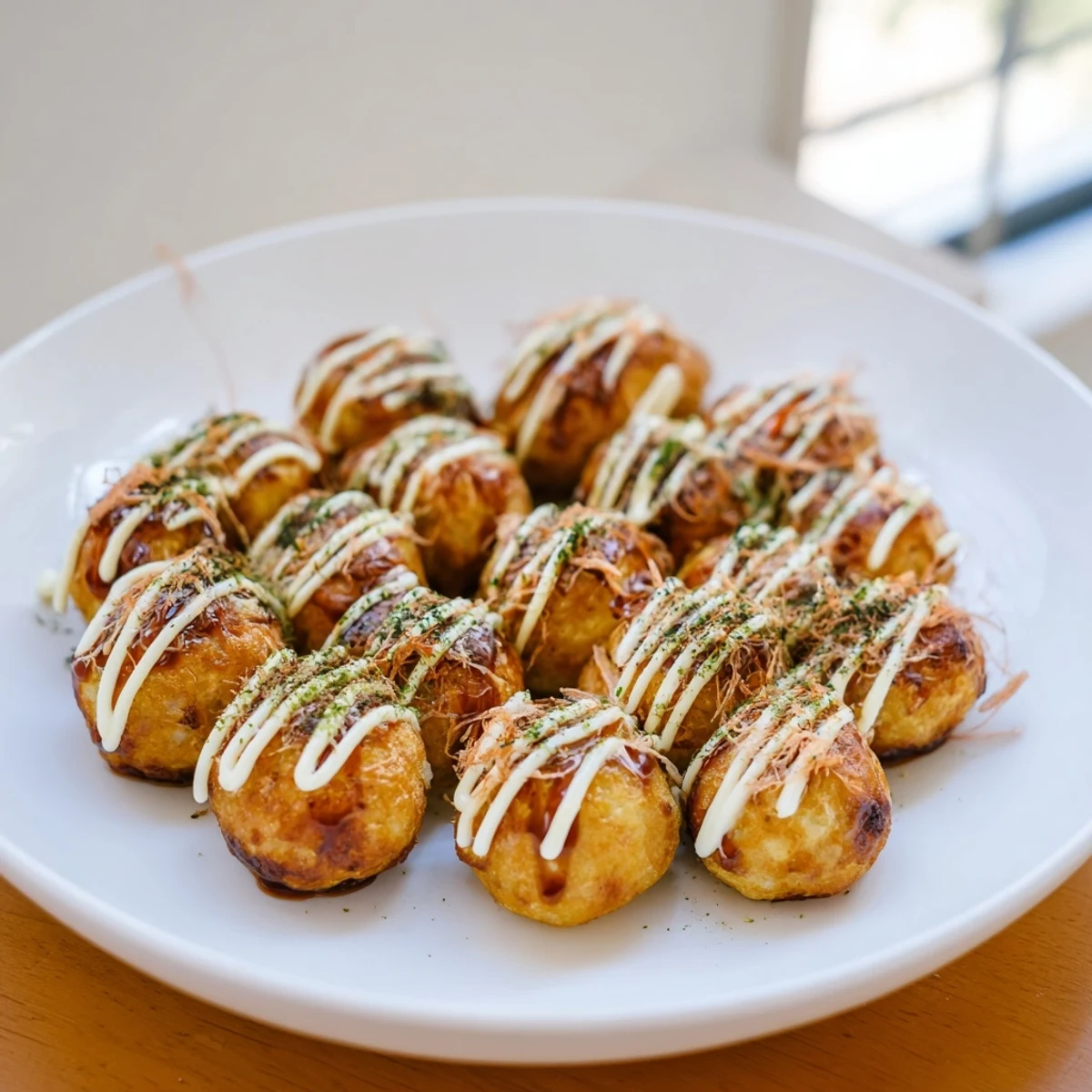
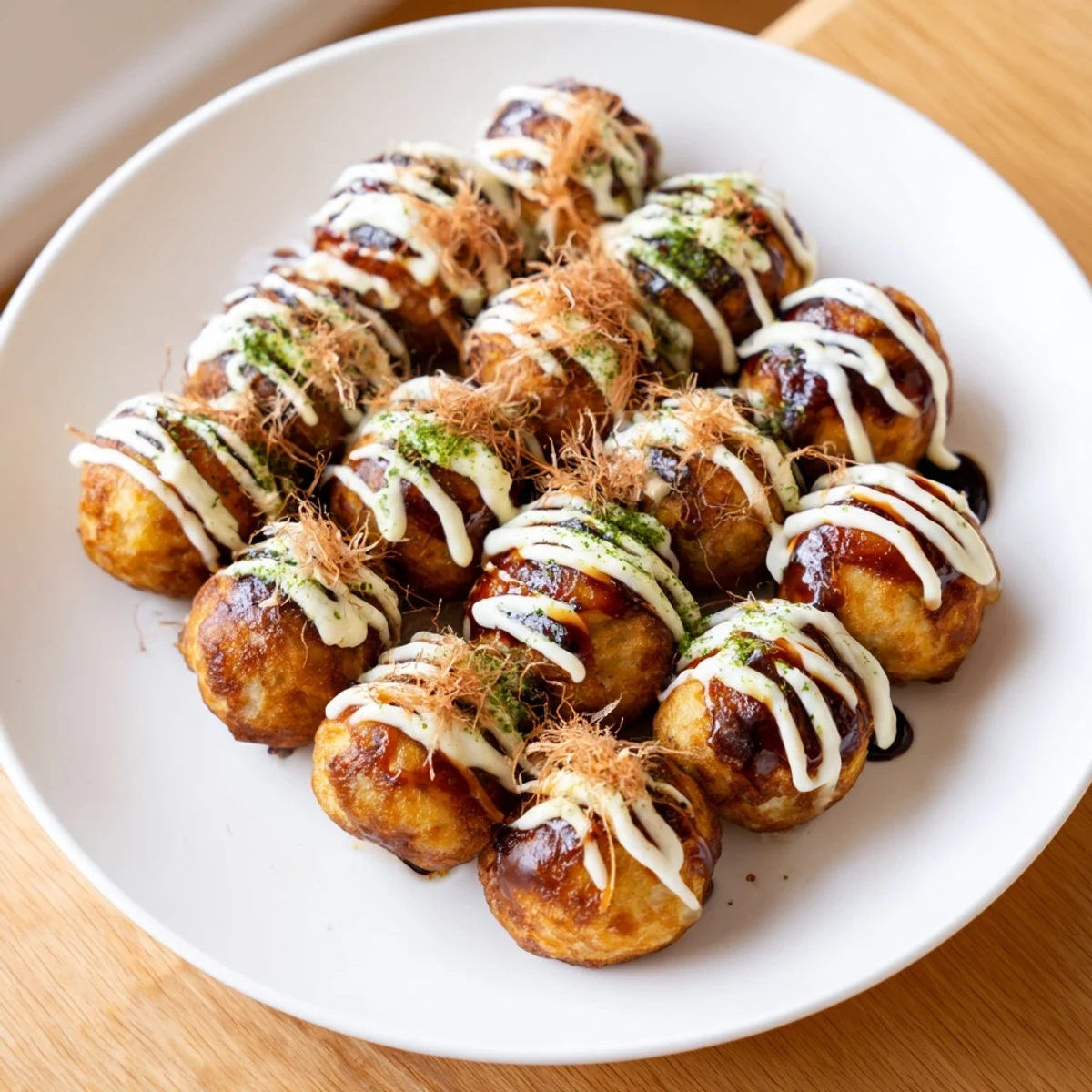
- Arrange them on a warm plate, then drizzle with sauce and mayo in a crisscross pattern like the street vendors do.
- The finishing touches:
- Sprinkle with aonori and top with a generous pile of bonito flakes. Serve immediately while they're still hot.
 Pin This
 There's something meditative about standing over the takoyaki pan, turning each ball with steady hands while steam rises around you. I've found it's the perfect activity for conversation, somehow the rhythmic turning makes people open up about their day while you cook together.
The Secret to Perfect Shape
The most common mistake is not letting the pan get hot enough before adding batter. If your takoyaki are sticking or not forming round shapes, your pan probably needs more heat. I've learned to preheat for a full 5 minutes, then test with a drop of batter which should sizzle immediately.
Make-Ahead Strategy
You can prep everything hours before cooking. Cut the octopus, slice the green onions, and even mix the batter, keeping it refrigerated until 30 minutes before you plan to cook. This makes takoyaki perfect for parties since you're not stuck in the kitchen prepping while guests arrive.
Serving Like a Pro
Traditional takoyaki stands serve these in little boats with toothpicks, but at home I love arranging them on a wooden board or rustic platter. The visual appeal of golden balls dancing with bonito flakes makes them impossible to resist.
- Keep the toppings nearby so guests can add extra sauce or mayo to their liking
- Have a small bowl of warm dashi broth on the side for dipping, just like they do in Osaka
- Serve immediately because that crispy exterior starts softening after about 5 minutes
 Pin This
 Every time I make takoyaki now, I think back to that imperfect first attempt and smile. Some dishes are worth the practice, and this is definitely one of them.
Recipe FAQs
- → What makes takoyaki crispy on the outside?
-
The crispy exterior comes from cooking the batter in a hot, oiled takoyaki pan and continuously turning the balls every minute. This allows all sides to接触 the hot surface evenly, creating that signature golden, lacy crust while keeping the inside tender and creamy.
- → Can I make takoyaki without a special pan?
-
While a traditional takoyaki pan with half-sphere molds is essential for achieving the perfect round shape, you can approximate similar results using a minimuffin tin or aebleskiver pan. The texture won't be quite the same, but you'll still get delicious octopus-filled bites.
- → What can I substitute for octopus?
-
Cooked shrimp, squid, or even small cubes of mozzarella cheese work well as alternatives to octopus. The cheese version creates a wonderfully gooey center. For a vegetarian option, try using shiitake mushrooms or konjac for a similar chewy texture.
- → How do I make homemade takoyaki sauce?
-
Mix equal parts Worcestershire sauce and ketchup with a splash of soy sauce and a teaspoon of sugar or honey. Some recipes also add a dash of oyster sauce for extra depth. Simmer briefly until the sugar dissolves, then cool before using.
- → Why do my takoyaki fall apart when turning?
-
Takoyaki need to cook slightly longer before the first turn. Wait until the edges are visibly set and pulling away from the pan, about 1-2 minutes. The batter should form a thin skin that holds its shape. If they're still too liquid, give them another 30 seconds before attempting to turn.
- → Can I freeze takoyaki for later?
-
Yes! Cook takoyaki completely and let them cool. Freeze in a single layer on a baking sheet, then transfer to a freezer bag. Reheat in a 350°F oven for 10-15 minutes or air fry at 350°F for 5-8 minutes until crisped and heated through. Add fresh toppings after reheating.