
 Pin This
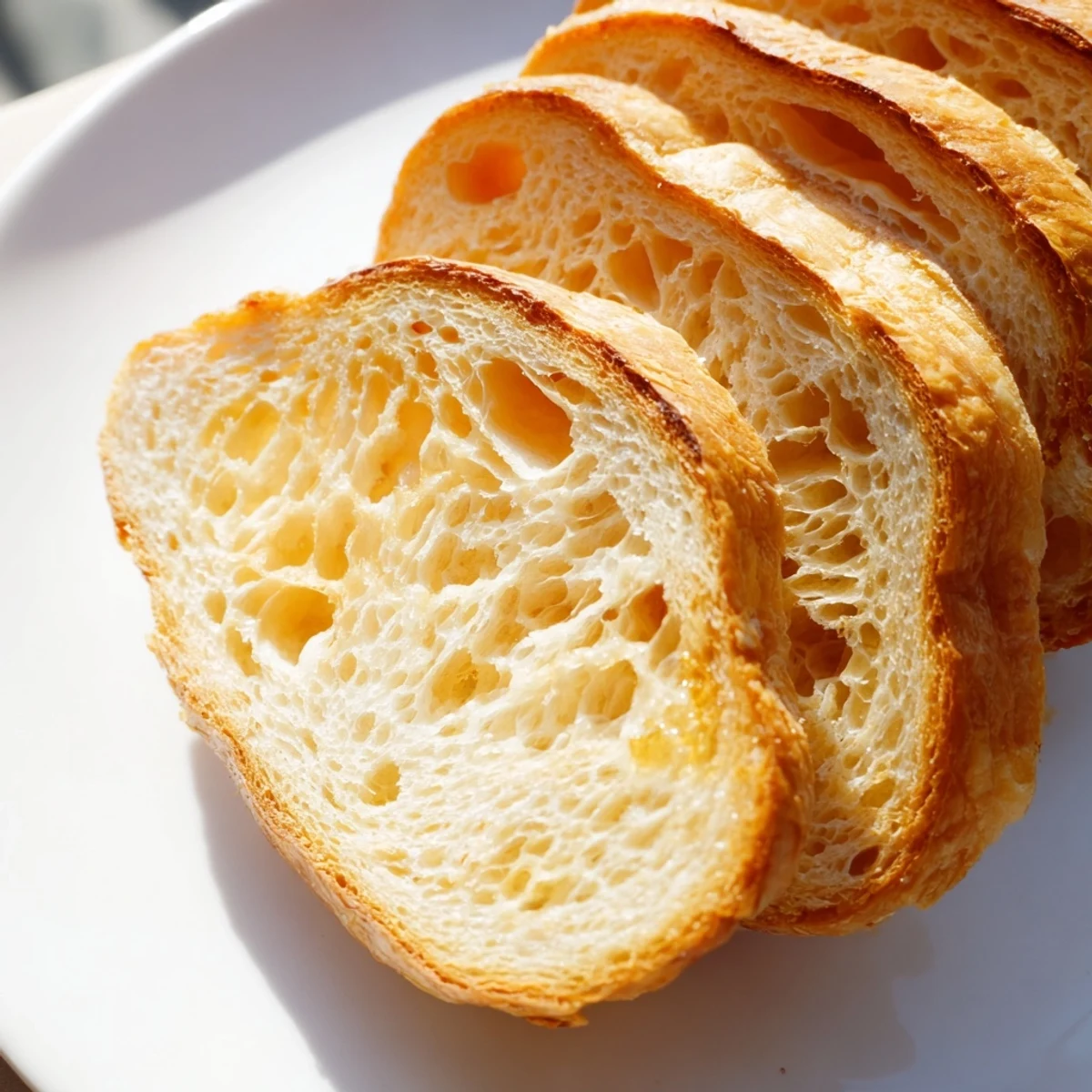
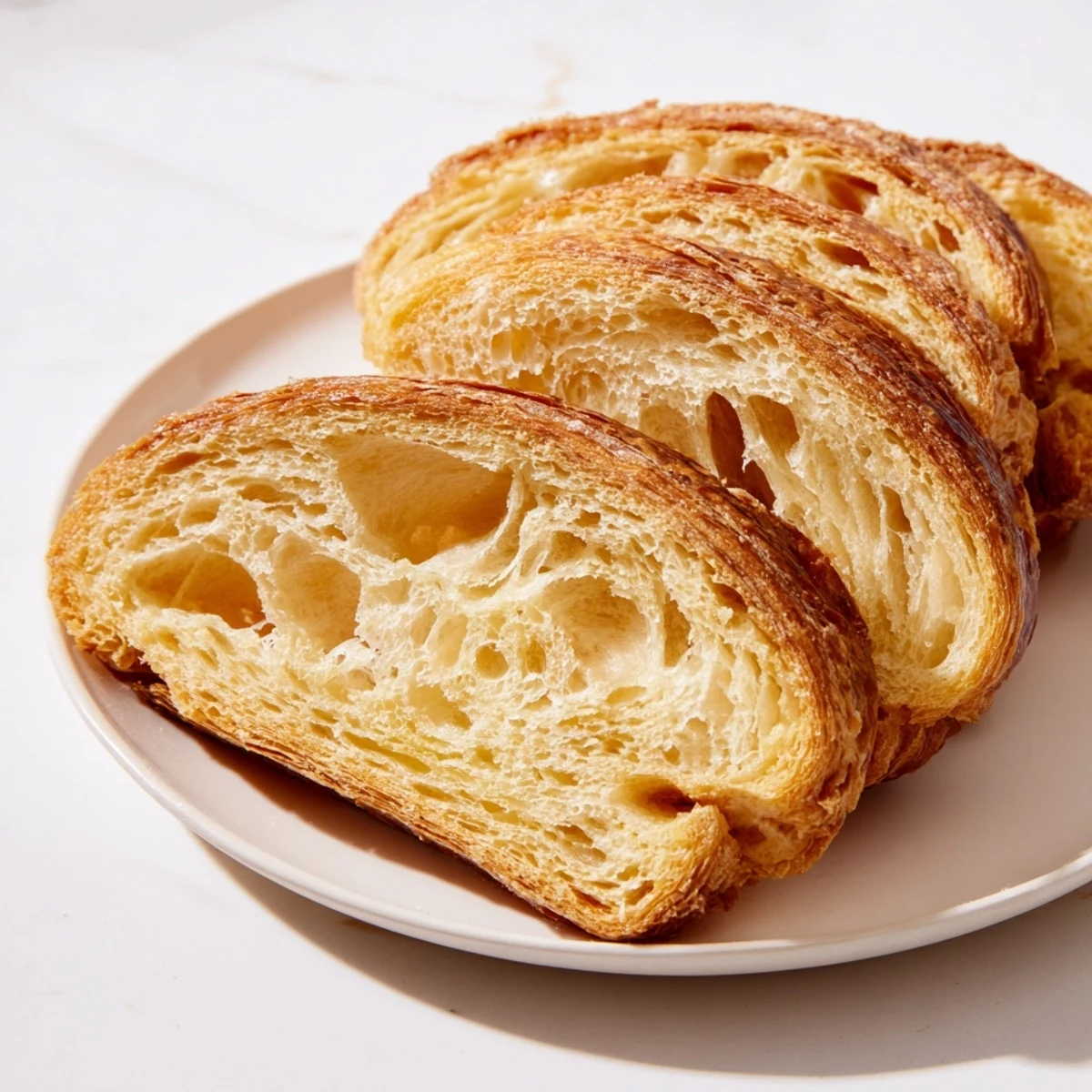
 Create bakery-style laminated dough at home with this buttery, flaky loaf. The process involves rolling and folding cold butter into enriched dough multiple times to create signature croissant layers. After chilling and three complete turns, the dough is shaped into a traditional loaf and baked until golden brown. The result yields 8-10 tender slices with irresistible crisp edges and soft interior, ideal for breakfast spread with jam or honey.
There was a Sunday morning last winter when my apartment felt too quiet, so I decided to tackle something ambitious—homemade croissant bread. The kitchen filled with the incredible scent of butter as it baked, and when I pulled that golden loaf from the oven, I knew Id never go back to store bought again.
I made this for a friends birthday brunch once, and everyone stood around the kitchen island just watching me slice it. When those first warm pieces hit the plates with homemade raspberry jam, the conversation stopped completely. There is something magical about serving something that looks so impressive but tastes even better.
Ingredients
- 3 ½ cups all-purpose flour: This creates the structure for all those beautiful layers we are going to build
- 3 tbsp granulated sugar: Just enough to balance the salt and enhance the buttery flavor
- 2 tsp instant yeast: Reliable and quick acting for consistent rises every time
- 1 ½ tsp salt: Do not skip this, it makes all the flavors pop
- 1 cup whole milk lukewarm: The warmth activates the yeast while adding richness
- ¼ cup unsalted butter melted: This keeps the dough tender and adds flavor inside
- 1 large egg: Adds structure and helps with browning
- 1 cup unsalted butter cold: This butter block creates those signature flaky layers
- 1 large egg and 1 tbsp milk: Whisked together for that gorgeous golden finish
Instructions
- Mix the dough:
- In a large bowl combine flour sugar salt and yeast keeping the yeast away from direct salt contact. Add lukewarm milk melted butter and egg then mix until a sticky dough forms.
- Knead and rise:
- Knead for 7 to 10 minutes until smooth and elastic. Cover and let rise in a greased bowl for 1 hour until doubled.
- First chill:
- Punch down the dough and shape into a rectangle. Cover and refrigerate for 30 minutes to firm up slightly.
- Layer the butter:
- On a floured surface roll dough into a 12 x 16 inch rectangle. Layer cold butter slices over two thirds of the dough leaving one third bare.
- First fold:
- Fold the unbuttered third over the butter then fold the remaining third over to form a neat rectangle. Turn 90 degrees so the openings face you.
- Second roll and fold:
- Roll again into a 12 x 16 inch rectangle then fold into thirds like a letter. Wrap and chill for 30 minutes.
- Complete the folds:
- Repeat the rolling folding and chilling process two more times for a total of three turns. This creates all those flaky layers.
- Shape the loaf:
- After the last chill roll dough to about 8 x 16 inches. Roll tightly from the short edge into a loaf shape.
- Final rise:
- Place seam side down in a greased 9 x 5 inch loaf pan. Cover loosely and let rise until doubled about 1 hour.
- Egg wash and bake:
- Preheat oven to 375°F. Whisk egg with milk for egg wash and brush the loaf surface. Bake 35 to 40 minutes until golden brown and hollow sounding tenting with foil if needed.
- Cool completely:
- Cool in pan for 10 minutes then transfer to a wire rack. Cool fully before slicing for the best texture.
 Pin This
 My neighbor actually knocked on my door while this was baking asking what I was making because the smell had drifted down the hall. I ended up sharing a few slices with her later that afternoon and she asked for the recipe immediately.
Making It Sweet
Sometimes I sprinkle cinnamon and sugar over the dough before the final rolling. It transforms this into something dessert like that still works perfectly for breakfast.
The Rolling Technique
I have learned to use even pressure when rolling and never force the dough if the butter feels too soft. Just pop it back in the fridge for 15 minutes and continue.
Serving Suggestions
This bread deserves to be served with something special. I love pairing it with good salted butter and honey or homemade strawberry jam.
- Toast leftovers for the crispiest texture
- Use slightly stale slices for incredible French toast
- Wrap tightly and freeze for up to a month
 Pin This
 There is nothing quite like pulling a warm slice from this loaf and watching the butter glisten in the morning light. Pure happiness on a plate.
Recipe FAQs
- → What makes this different from regular bread?
-
The lamination process incorporates cold butter through multiple folds, creating distinct flaky layers similar to croissants rather than a uniform crumb structure found in standard loaves.
- → Can I reduce the preparation time?
-
While chilling periods are essential for proper lamination, you can complete the folds in one day if you keep the dough cold throughout rolling. The total active work remains about 40 minutes.
- → Why does the dough need so much chilling?
-
Chilling keeps the butter firm between rolling sessions, preventing it from melting into the dough. This separation between butter and dough creates the characteristic flaky layers during baking.
- → Can I add sweet fillings?
-
Sprinkle cinnamon sugar over the rolled dough before shaping into a loaf. Alternatively, add chocolate chips or dried fruit during the final fold for variation throughout the slices.
- → How should I store leftovers?
-
Wrap cooled loaf tightly in plastic or store in an airtight container at room temperature for 2-3 days. For longer storage, slice and freeze individually, toasting directly from frozen.
- → What if my butter breaks through the dough?
-
If butter leaks during rolling, dust lightly with flour and continue folding. The chill time will help re-seal the layers. Aim to keep the dough cool and work quickly to maintain proper lamination.