
 Pin This
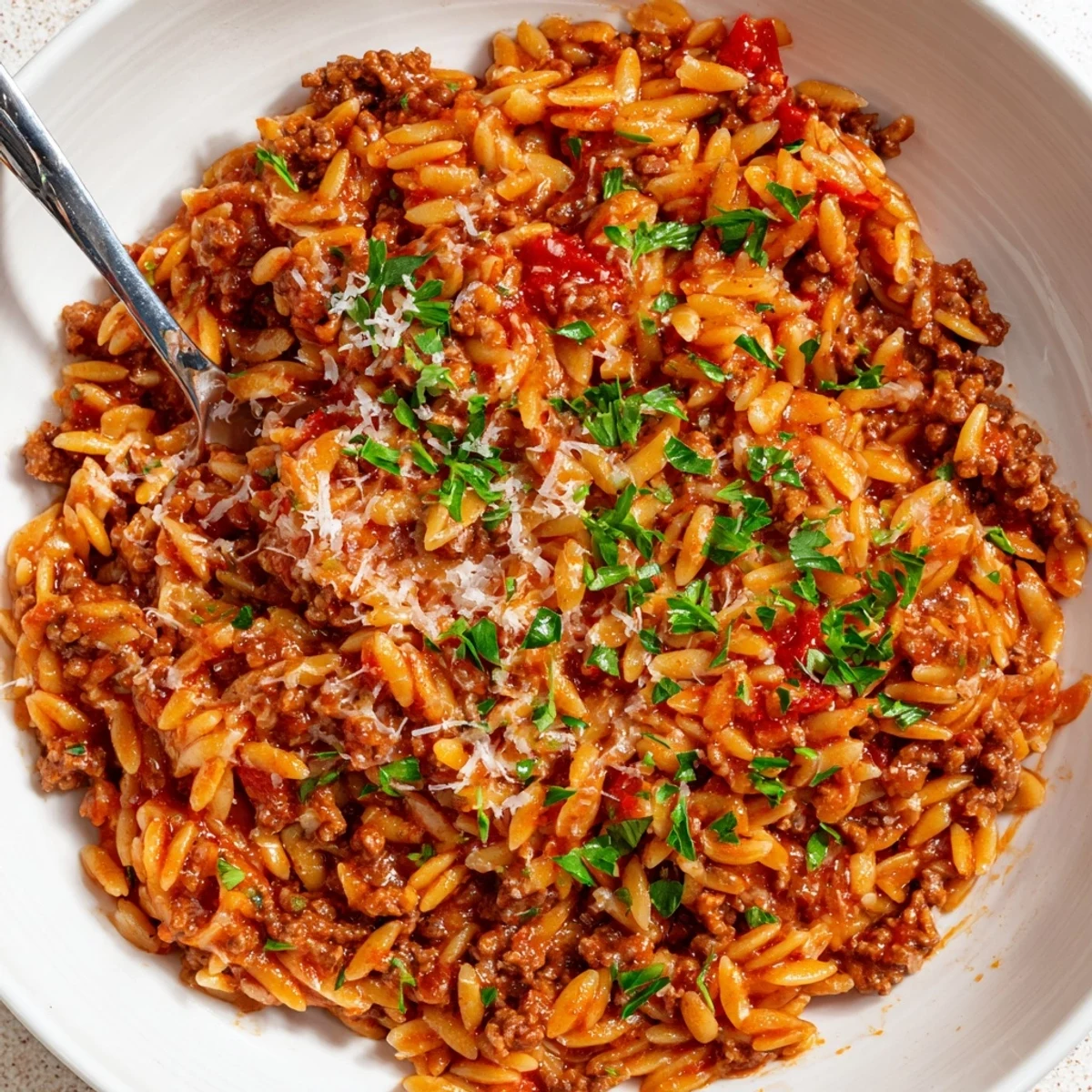
 Brown ground beef with onion and garlic in olive oil, then stir in tomato paste and warm spices to bloom. Add crushed tomatoes, broth and water, simmer, then stir in orzo and cook gently until tender and liquid is absorbed (about 15 minutes). Finish with grated cheese and chopped parsley. Use half beef, half lamb for richness, and add water to loosen leftovers before reheating.
The screen door slammed shut behind my yiayia every summer when she carried a steaming pot of manestra to the patio table, and none of us kids could wait for her to set it down before grabbing spoons. She never measured anything, just tossed handfuls of orzo into the bubbling meat sauce with a casual flick of her wrist. That cinnamon whisper she added was always our not so secret argument starter at the table. Some of us claimed we could taste it, others swore it was imaginary, but every bowl emptied just the same.
My friend Elena came over one rainy Tuesday looking defeated after a terrible work meeting, and I threw this together in under an hour without thinking. She sat on my kitchen counter eating straight from the pot, cheese melting down her chin, and said nothing for ten solid minutes. Then she asked for the recipe and I realized I had never actually written it down. I called my mother that night and made her talk me through every step while I typed furiously.
Ingredients
- 500 g ground beef: Use a decent quality beef with some fat content, around eighty twenty, because lean meat dries out during the long simmer and you want that richness to coat every grain of orzo.
- 1 medium onion, finely chopped: A yellow onion sweeter down best here, and fine chopping ensures it melts into the sauce rather than chunking up every bite.
- 2 cloves garlic, minced: Fresh garlic only, and mince it yourself because the jarred stuff loses that sharp, sweet punch that blooms when it hits hot oil.
- 250 g orzo pasta: Toast it slightly in the sauce before adding liquid if you want an extra nutty depth, a trick I picked up from a Cretan cookbook years ago.
- 2 tbsp olive oil: A generous pour of good olive oil sets the foundation, and do not be tempted to skimp because this is the fat that carries all the flavor.
- 400 g canned crushed tomatoes: San Marzano if you can find them, their natural sweetness balances the savory beef without needing added sugar.
- 1 tbsp tomato paste: This concentrates the tomato flavor and gives the sauce that deep brick red color that makes the dish look as good as it smells.
- 2 cups beef or chicken broth: Homemade is lovely but a good quality boxed broth works perfectly, just taste for salt before adding extra later.
- 1 cup water: You need this extra liquid because orzo drinks up broth like a sponge and you want a saucy, comfortable consistency.
- 1 tsp dried oregano: Rub it between your palms directly over the pot to release the essential oils before it hits the heat.
- 1/2 tsp ground cinnamon: This is optional technically but I consider it mandatory because it is the soul of the dish and the thing that makes people close their eyes on the first bite.
- 1 bay leaf: Just one, and remember to fish it out before serving because biting into a bay leaf is a sure way to ruin an otherwise perfect meal.
- Salt and pepper: Season in layers, a pinch with the onions, another with the beef, and a final taste at the end.
- Grated kefalotyri or parmesan cheese: Salty, hard cheese shaved over the top melts into little pools of sharpness that cut through the rich tomato sauce.
- Fresh parsley, chopped: A bright handful at the end brings freshness and color that makes the whole bowl sing.
Instructions
- Wake up the aromatics:
- Heat the olive oil in your largest pot over medium heat until it shimmers, then add the chopped onion and let it soften for three to four minutes until translucent and sweet smelling. Toss in the minced garlic and stir for about thirty seconds just until you can smell it, careful not to let it brown.
- Brown the beef with purpose:
- Add the ground beef and break it apart with a wooden spoon, working patiently until every piece is browned and no pink remains, roughly six to seven minutes. Let it sit undisturbed for a minute here and there so actual browning happens instead of just steaming grey meat.
- Bloom the spices:
- Stir in the tomato paste, oregano, cinnamon, bay leaf, and a generous pinch each of salt and pepper. Let everything cook together for one full minute, stirring constantly, until the paste darkens and the most incredible fragrant cloud rises from the pot.
- Build the sauce:
- Pour in the crushed tomatoes, broth, and water, scraping up any browned bits from the bottom of the pot. Bring everything to a boil, then immediately reduce the heat and let it simmer gently for ten minutes so the flavors marry and the sauce thickens slightly.
- Cook the orzo low and slow:
- Stir in the orzo, cover the pot, and simmer for about fifteen minutes, stirring every few minutes so nothing sticks to the bottom. Taste a piece of orzo around the twelve minute mark and add a splash more water if it needs it, aiming for a creamy, risotto like consistency.
- Finish and serve with love:
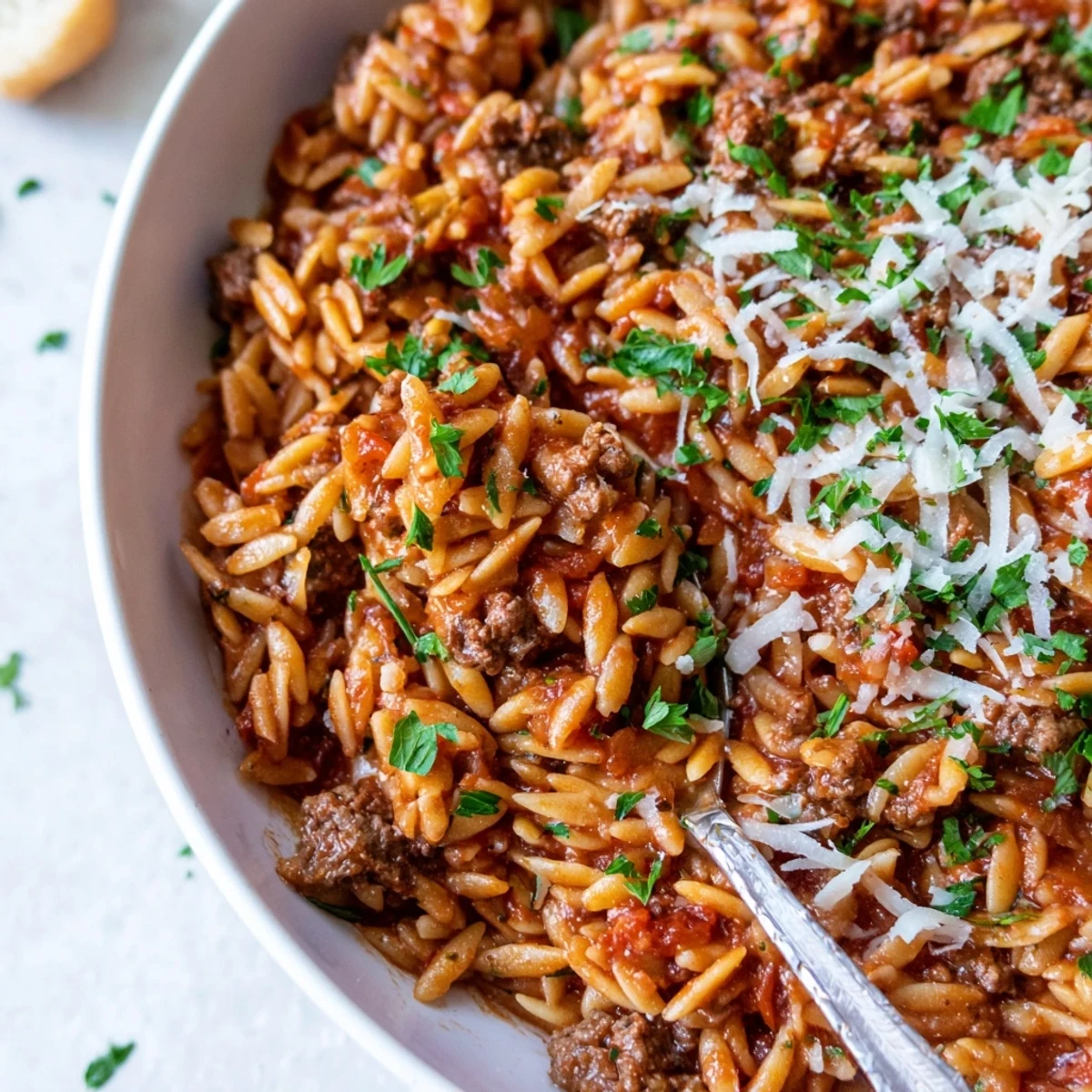
- Remove and discard the bay leaf, then taste for salt and pepper and adjust as needed. Ladle into wide bowls while still steaming and shower each portion with grated cheese and fresh parsley.
 Pin This
 There is a particular kind of quiet that falls over a table when everyone is eating manestra, the kind where chewing is the only sound and second helpings appear without anyone asking. My cousin once said it tastes like being wrapped in a blanket and I have never found a better description.
Making It Your Own
Half beef and half lamb is how my grandmother actually made it, and the lamb adds an earthy depth that turns this from weeknight dinner into something occasion worthy. A pinch of red pepper flakes sneaked in with the spices gives a gentle background heat that does not overpower but keeps each bite interesting. I have also tossed in a handful of frozen peas at the end for color and sweetness, though purists might side eye you.
What to Serve Alongside
A crisp Greek salad with big chunks of cucumber, ripe tomato, and a slab of feta is the only side you really need. Thick slices of crusty bread are nonnegotiable because the sauce begs to be mopped up and it would be rude to deny it that. A glass of dry red wine or even a cold beer turns a simple dinner into something that stretches lazily into the evening.
Storing and Reheating Like a Pro
This dish keeps beautifully in the refrigerator for up to four days in a sealed container, and I genuinely believe day two tastes better than day one. It freezes well too, portioned into individual containers for those nights when cooking feels impossible. Just thaw overnight in the fridge and reheat gently with a little water.
- Always loosen leftover manestra with warm water, never cold, because cold water shocks the starches and makes the texture gluey.
- Reheat on the stove over low heat rather than the microwave for the most even, creamy result.
- A fresh scatter of parsley and cheese after reheating makes it taste like you just made it.
 Pin This
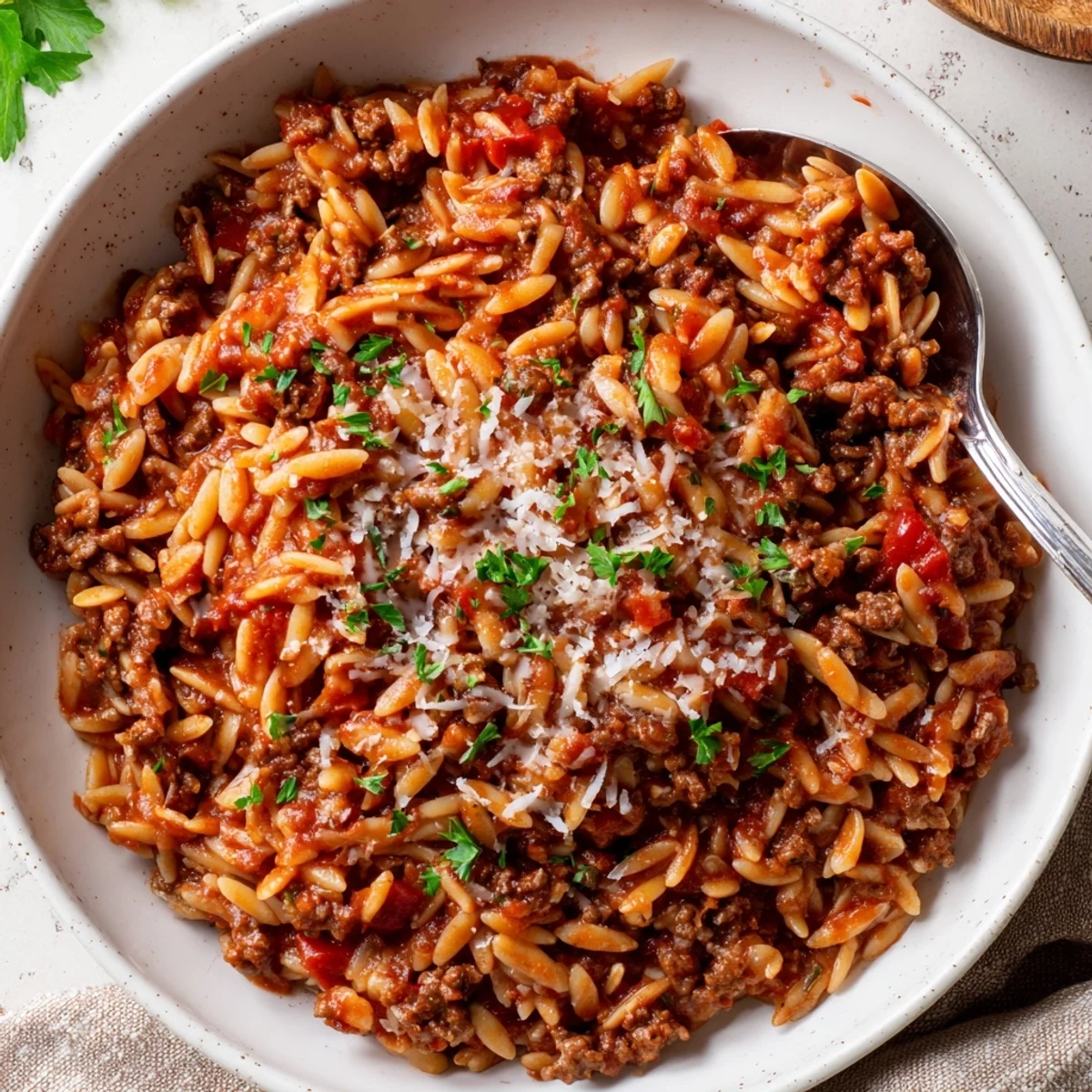
 Every time I make manestra my kitchen smells exactly like my grandmother's house, and for those fifty minutes I am ten years old again, waiting at the patio table with a spoon ready. Some recipes are just dinner, but this one is a doorway.
Recipe FAQs
- → How do I prevent the orzo from sticking together?
-
Stir the orzo frequently during the simmering stage and keep the heat low so it cooks gently. If the pot becomes too dry before the orzo is tender, add a splash of hot water or broth and continue cooking until the pasta is al dente.
- → Can I swap the ground beef for another meat?
-
Yes. Swap half or all of the beef for lamb for a more authentic flavor, or use ground turkey for a leaner option. Adjust seasoning and cooking time as needed for fat content differences.
- → What broth works best here?
-
Beef broth enhances the meatiness, while chicken broth keeps the pot lighter. Vegetable broth can be used for a milder background. Choose low-sodium versions to better control seasoning.
- → How should leftovers be reheated?
-
Leftovers thicken as they cool. Reheat gently on the stovetop over low heat, adding a splash of warm water or broth and stirring to loosen. Microwave in short intervals, stirring between, until evenly heated.
- → Which cheeses make a good garnish?
-
Grated kefalotyri or Parmesan add savory saltiness and a pleasant bite. For a milder finish, use pecorino or a light sprinkling of feta for a tangy contrast.
- → Is there a gluten-free option for the orzo?
-
Yes. Use a gluten-free orzo made from rice or corn, or substitute with short gluten-free pasta shapes. Adjust the cooking time according to package instructions to avoid overcooking.