
 Pin This
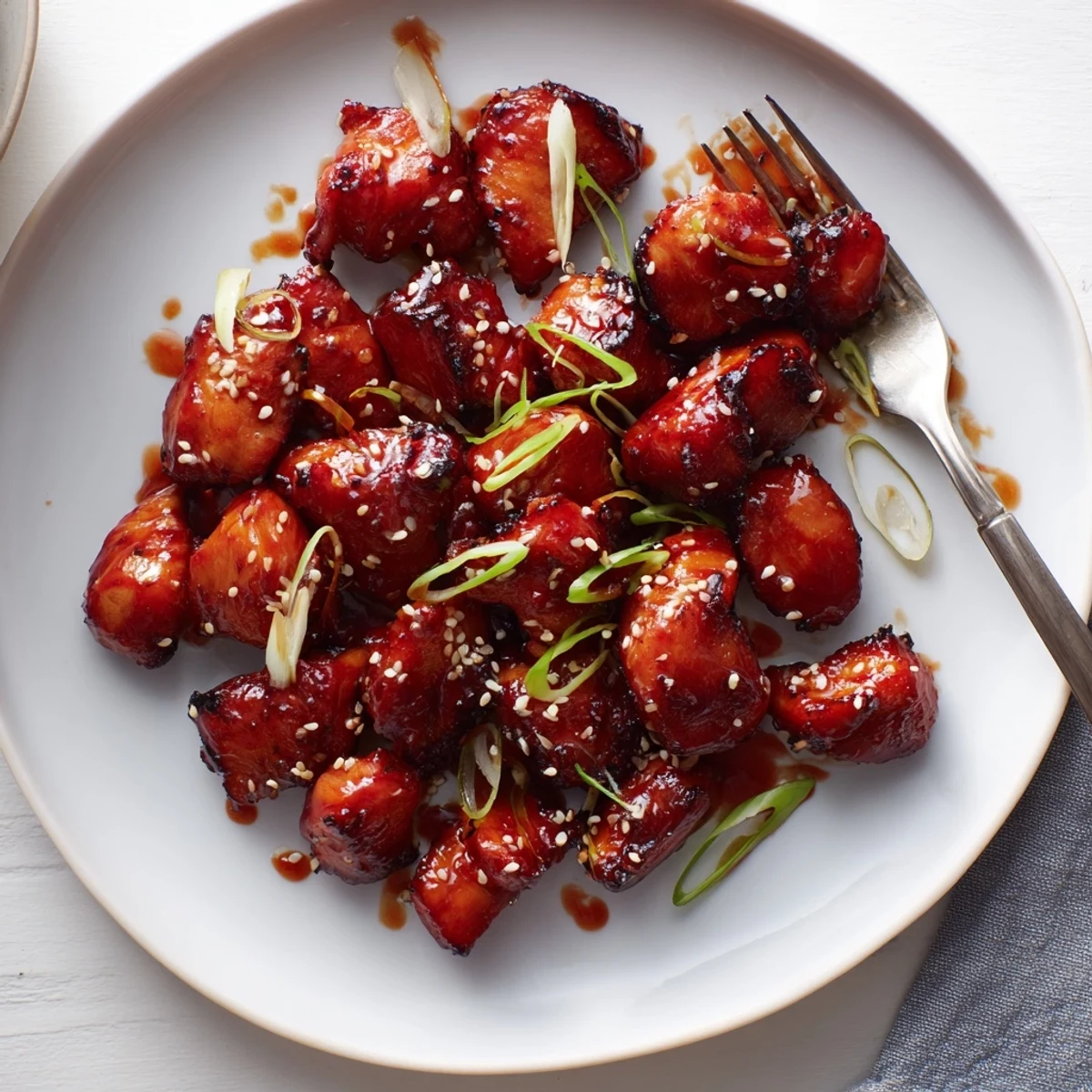
 This gochujang chicken brings together the deep, fermented heat of Korean red chili paste with soy sauce, honey, and sesame oil for an irresistible glaze. Boneless chicken thighs are marinated, then seared until caramelized and slightly charred on the outside while staying juicy inside.
The whole dish comes together in about 40 minutes, making it perfect for a weeknight dinner. Serve it over steamed white rice with a side of bok choy or a refreshing cucumber salad to balance the rich, sticky sauce.
The sizzle of chicken hitting a screaming hot pan on a Tuesday night changed my relationship with weeknight cooking forever. Gochujang was that jar in the back of my fridge I kept ignoring until a friend dared me to make something with it. One bite of this sticky, crimson glazed chicken and I was hooked on its deep fermented heat and sweet finish.
My neighbor knocked on my door the first time I made this, convinced I had ordered takeout from the new Korean spot down the street. We ended up eating standing in my kitchen, picking chicken straight from the skillet with chopsticks.
Ingredients
- 800 g boneless, skinless chicken thighs, cut into bite sized pieces: Thighs are the way here since they soak up the marinade and stay tender through high heat cooking.
- 3 tbsp gochujang (Korean red chili paste): This is the heart of the dish, bringing fermented depth and a gentle building heat.
- 2 tbsp soy sauce: Adds salt and umami that rounds out the sweetness of the honey.
- 2 tbsp honey: Helps the chicken caramelize beautifully and balances the chili paste.
- 1 tbsp rice vinegar: A touch of brightness that keeps the glaze from feeling too heavy.
- 1 tbsp sesame oil: Toasted sesame oil adds a nutty aroma that makes everything taste more Korean.
- 3 cloves garlic, minced: Fresh garlic is non negotiable here for that pungent kick.
- 1 tbsp ginger, grated: Grated ginger melts into the sauce and adds warmth without chunks.
- 1 tsp toasted sesame seeds: A finishing sprinkle that adds texture and visual appeal.
- 1 spring onion, thinly sliced: Fresh garnish that cuts through the richness with a mild bite.
Instructions
- Whisk the marinade together:
- In a large bowl, combine gochujang, soy sauce, honey, rice vinegar, sesame oil, garlic, and ginger until smooth and fragrant. Taste it on your fingertip and adjust if you want it sweeter or spicier.
- Coat the chicken:
- Toss the chicken pieces into the marinade and stir until every piece is glossy and coated. Let it sit for at least 10 minutes, or cover and refrigerate up to 2 hours if you have the time.
- Get the pan hot:
- Preheat a large skillet or grill pan over medium high heat until a drop of water dances and evaporates instantly. You want that pan good and hot for the best caramelization.
- Cook until caramelized:
- Add the marinated chicken in a single layer and cook for 6 to 8 minutes per side until deeply glazed and cooked through. Do not crowd the pan or the chicken will steam instead of sear.
- Garnish and serve:
- Pull the pan off the heat and shower the chicken with toasted sesame seeds and sliced spring onion. Serve immediately over steamed rice or alongside your favorite vegetables.
 Pin This
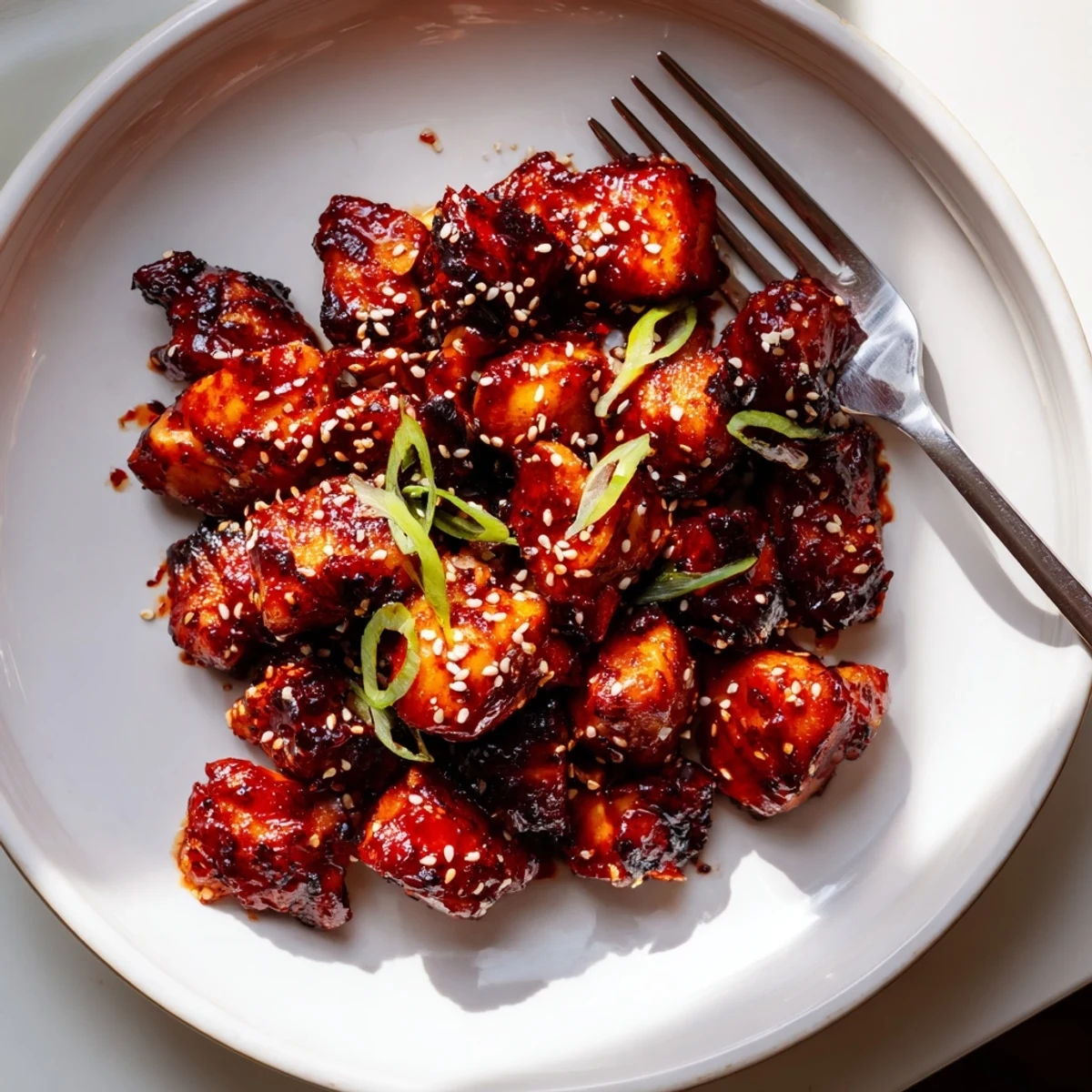
 I started keeping a jar of gochujang in my fridge at all times after perfecting this recipe, and it has never once gone to waste.
Making It Your Own
Throw in a teaspoon of gochugaru if you want to feel the heat build with every bite. I have also tossed in shredded carrots or zucchini during the last few minutes of cooking when I want more vegetables without extra dishes.
Serving Suggestions That Work
Plain steamed white rice is the classic move and honestly hard to beat since it soaks up every drop of that sticky sauce. A quick cucumber salad with rice vinegar and a pinch of sugar makes a refreshing side that cools the palate between bites.
Storing and Reheating
Leftovers keep beautifully in an airtight container in the fridge for up to 3 days and the flavor somehow deepens overnight. Reheat gently in a skillet with a splash of water to loosen the glaze.
- Avoid microwaving at full power since the sugars in the honey can cause hot spots.
- Freeze portions flat in zip bags for up to 2 months and thaw overnight in the fridge.
- Always check that reheated chicken reaches an internal temperature of 165 degrees F before serving.
 Pin This
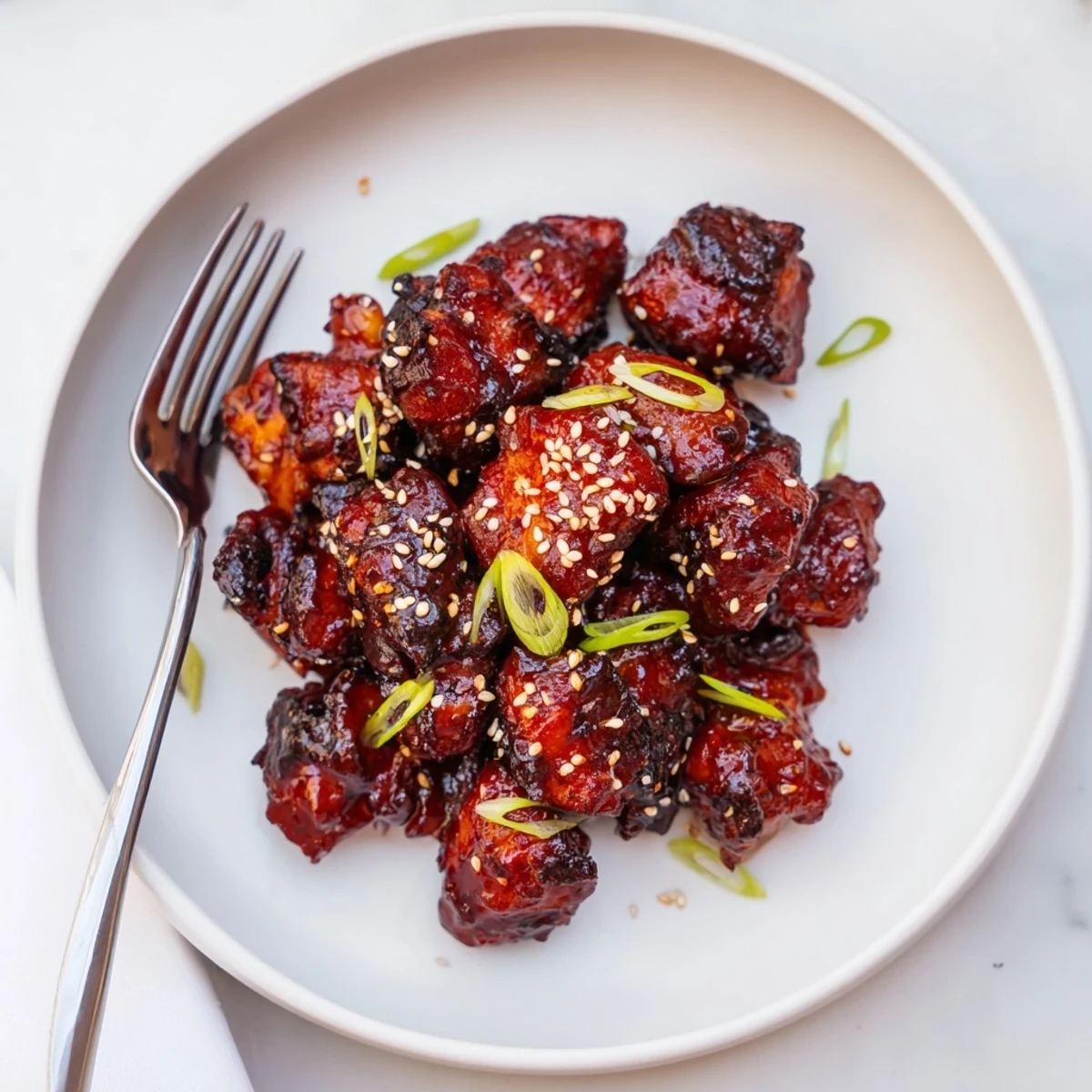
 This is the kind of recipe that makes you look like you know exactly what you are doing in the kitchen, even on nights when you barely feel like cooking.
Recipe FAQs
- → What does gochujang taste like?
-
Gochujang is a fermented Korean red chili paste with a complex flavor profile. It delivers a savory, sweet, and moderately spicy taste with deep umami notes. The fermentation process gives it a rich, almost miso-like depth that sets it apart from simple hot sauces.
- → Can I use chicken breasts instead of thighs?
-
Yes, chicken breasts work as a leaner alternative. Since breasts cook faster and dry out more easily, reduce the cooking time to about 4–5 minutes per side. Keep a close eye on the internal temperature to ensure they reach 165°F without overcooking.
- → How long should I marinate the chicken?
-
A minimum of 10 minutes will give you decent flavor, but marinating for 1 to 2 hours in the refrigerator allows the gochujang, soy, and garlic to penetrate deeply. For best results, cover and chill the chicken in the marinade for the full 2 hours.
- → Is this dish very spicy?
-
The heat level is moderate, as gochujang provides more umami and sweetness than intense spiciness. If you prefer more heat, stir in a teaspoon of gochugaru (Korean chili flakes) into the marinade. To reduce spice, simply use less gochujang and add a bit more honey.
- → What should I serve with gochujang chicken?
-
Steamed white rice is the classic pairing, soaking up the sticky glaze beautifully. Steamed bok choy, a simple cucumber salad dressed with sesame, or stir-fried vegetables all make excellent sides. For a low-carb option, serve over cauliflower rice or alongside steamed broccoli.
- → Can I make this gochujang chicken gluten-free?
-
Absolutely. Simply swap regular soy sauce for tamari, which is a gluten-free alternative with a similar savory flavor. Double-check that your gochujang brand doesn't contain wheat, as some varieties do include it in their ingredients.