
 Pin This
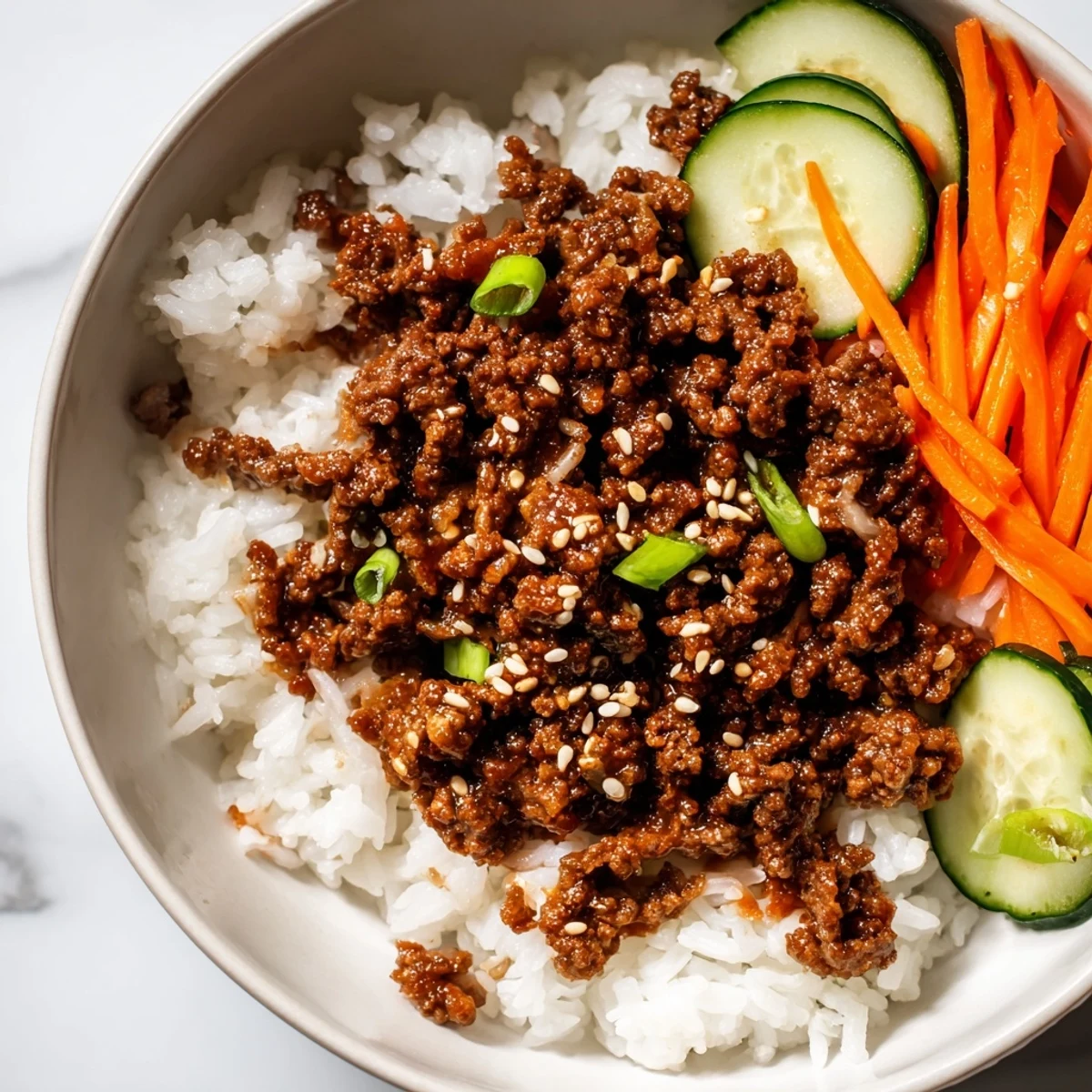
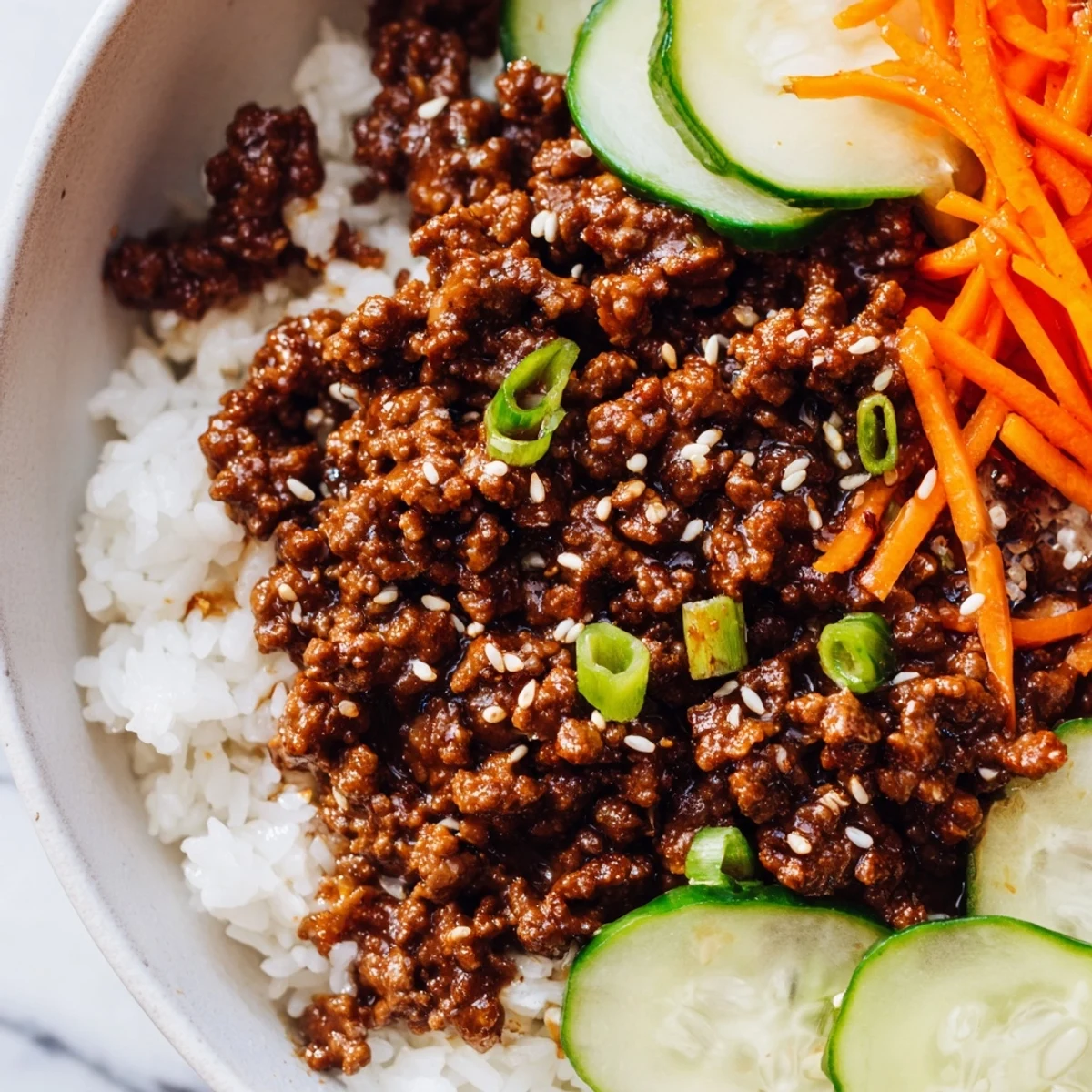
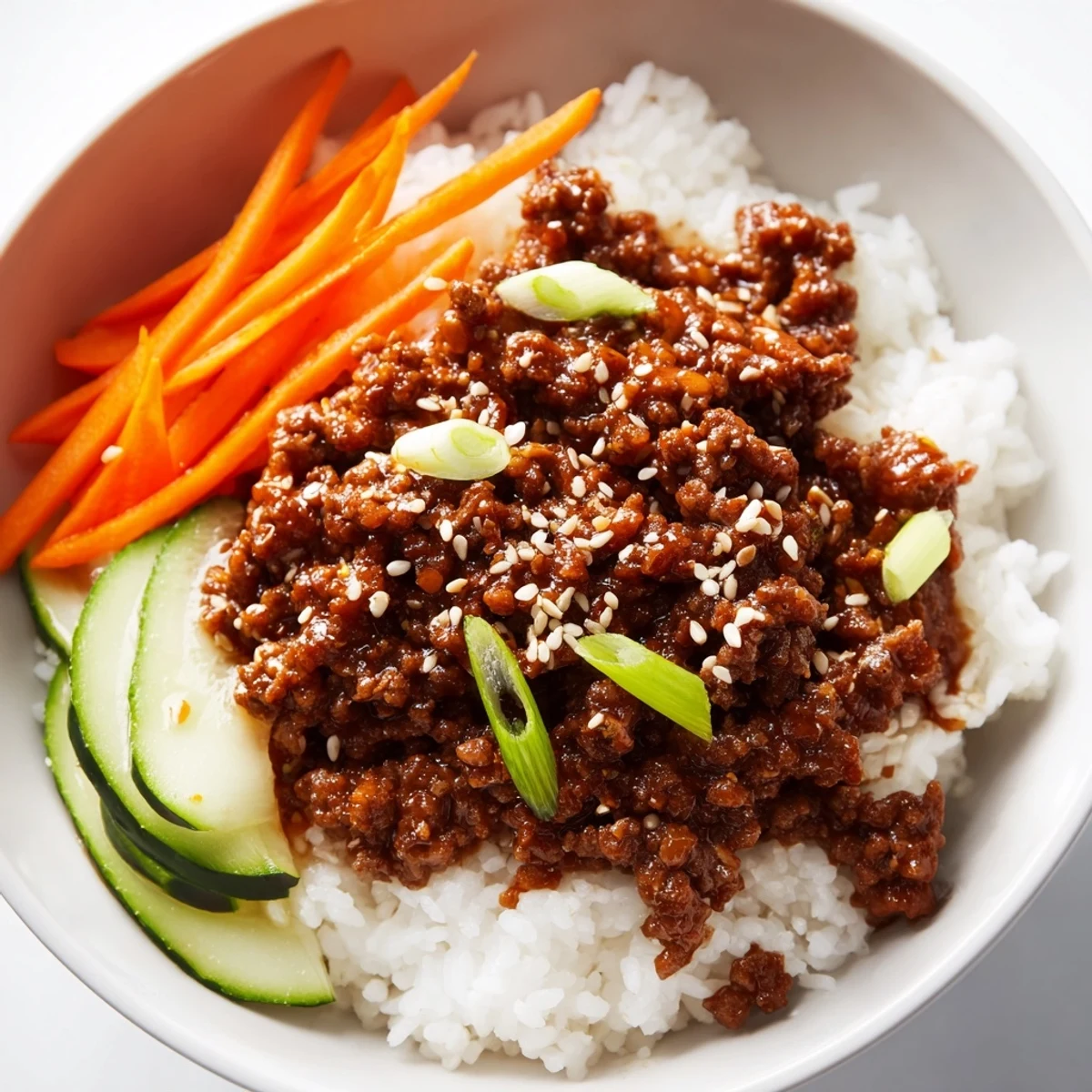
 This vibrant bowl brings together savory ground beef infused with soy, ginger, and gochujang for that authentic Korean flavor. The sweet and spicy sauce perfectly coats the meat while creating a glossy finish that clings to every grain of steamed rice. Fresh julienned carrots, crisp cucumber, and scallions add crunch and brightness, balancing the rich beef. Toasted sesame seeds bring nutty depth, while optional kimchi offers probiotic tang. The entire dish comes together in under 30 minutes, making it ideal for busy evenings when you want something satisfying without hours of preparation.
The first time I made these Korean beef bowls, I was rushing to get dinner on the table before a friend came over. I didn't expect much—just throwing ground beef and whatever Asian sauces I had in the pantry together—but the smell that filled my kitchen stopped me in my tracks. That sweet-savory combination of soy, sesame, and garlic hit me, and I knew I'd stumbled onto something special. My friend ended up asking for the recipe before she even finished her bowl.
Last winter, I started making these bowls every Sunday for meal prep. Something about having that Korean-style beef ready to go made the workweek feel more manageable. My husband started looking forward to it, calling it his happy lunch, and even my picky brother-in-law asked for the recipe after trying it once.
Ingredients
- Lean ground beef: The foundation of the dish—I've learned that 500g feeds four perfectly, and draining excess fat keeps the bowl from feeling too heavy
- Low-sodium soy sauce: Essential for that salty umami base, but I prefer low-sodium so I can control the salt level myself
- Light brown sugar: This little bit of sweetness balances the soy and creates that caramelized glaze on the beef as it cooks
- Sesame oil: Just a tablespoon adds such incredible depth—don't skip it, it's what makes the sauce taste restaurant-quality
- Fresh garlic and ginger: I've tried using powdered versions in a pinch, but nothing beats the aromatic punch of freshly minced
- Gochujang: This Korean chili paste adds a gentle heat and fermented complexity—if you can't find it, red pepper flakes work in a pinch
- Jasmine or short-grain rice: Short-grain sticks together better for bowl assembly, but jasmine's floral aroma is lovely too
- Fresh vegetables: The julienned carrots and cucumber aren't just garnish—they provide a crucial crisp texture contrast to the warm beef
Instructions
- Get the rice going first:
- Rinse the rice under cold water until it runs clear—this removes excess starch so the grains stay separate. Add the rice and water to a saucepan, bring it to a boil, then reduce to a simmer, cover, and cook for 12–15 minutes until tender. Fluff gently with a fork when it's done.
- Whisk together the sauce:
- In a small bowl, combine the soy sauce, brown sugar, sesame oil, garlic, ginger, gochujang, and rice vinegar. Whisk until the sugar has completely dissolved and everything is well combined.
- Brown the beef:
- Heat a large skillet over medium-high heat. Add the ground beef and cook, breaking it up with a spatula, until browned throughout, about 5 minutes. Drain any excess fat if there's a lot pooling in the pan.
- Add the sauce and let it thicken:
- Pour the sauce mixture over the browned beef and cook, stirring constantly, for 2–3 minutes. The sauce will bubble and thicken slightly, coating every crumble of beef beautifully.
- Assemble the bowls:
- Divide the steamed rice among four bowls. Top each with a generous portion of the beef mixture, then arrange the carrots, cucumber, scallions, and sesame seeds on top.
 Pin This
 These bowls became a regular at our dinner table during a particularly busy season. There was something comforting about knowing that even on chaotic days, we could sit down to something that tasted like it came from a restaurant, made entirely in our own kitchen.
Make It Your Own
I've started swapping in ground turkey or chicken when I want something lighter, and honestly, it works beautifully. The sauce is robust enough to stand up to milder proteins, and sometimes I even crumble in firm tofu for a vegetarian version that my plant-based friends rave about.
Perfect Pairings
A chilled glass of Riesling cuts through the richness of the beef beautifully, but I also love serving this with hot green tea for a more traditional feel. The crisp freshness of the vegetables makes you feel like you're eating something substantial but not heavy.
Meal Prep Magic
This recipe has saved me so many times when I need lunches for the week. The beef actually tastes even better after a day in the refrigerator, as the flavors have time to meld together.
- Store the rice, beef, and vegetables in separate containers to keep everything fresh
- Reheat the beef gently with a splash of water to refresh the sauce
- Add fresh toppings like sesame seeds and scallions just before serving
 Pin This
 Hope these bowls bring as much weeknight joy to your table as they have to mine.
Recipe FAQs
- → Can I use different meat options?
-
Ground turkey, chicken, or even crumbled tofu work beautifully as alternatives. The sauce flavors pair well with leaner proteins, just adjust cooking time slightly to ensure everything is cooked through.
- → Is there a gluten-free option?
-
Simply substitute tamari for the soy sauce and ensure your gochujang is certified gluten-free. Most brands offer gluten-free versions now, and tamari provides the same savory depth without wheat.
- → How spicy is this dish?
-
The gochujang adds mild to medium heat depending on the brand. Start with one teaspoon and taste—you can always add more red pepper flakes if you prefer it spicier. The brown sugar helps balance the heat.
- → Can I prepare components ahead?
-
The sauce can be whisked together and stored refrigerated for up to a week. Vegetables can be prepped a day in advance. For best results, cook the beef fresh and assemble bowls just before serving.
- → What other toppings work well?
-
Fresh cilantro, pickled radishes, bean sprouts, fried egg, or even sliced avocado make excellent additions. Customize with whatever fresh vegetables and textures you enjoy in grain bowls.
- → How should I store leftovers?
-
Keep cooked beef and rice in separate airtight containers in the refrigerator for 3-4 days. Reheat gently with a splash of water to refresh the sauce, and add fresh toppings just before serving.